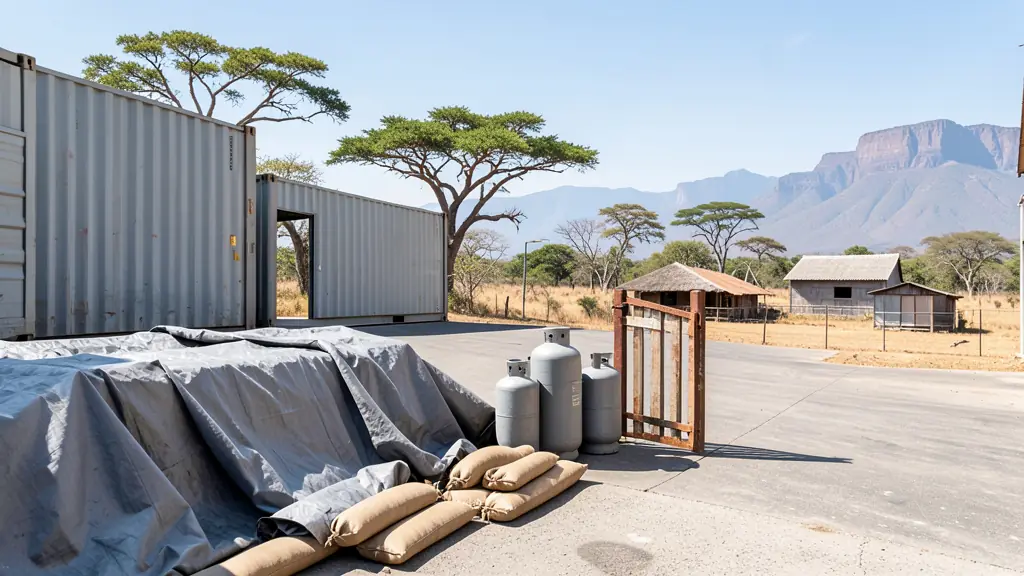
Phoning around for tent fumigation in Limpopo takes time, and every operator asks the same questions: the pest, the property and how big it is. Send one request instead and we pass it to registered fumigators who work in towns and cities across Limpopo. They quote on the treatment, the follow-up, the guarantee and the price.
Tent Fumigation in Limpopo
Fumigators who tent houses in Limpopo usually travel in a team with their own tarpaulins and gas meters, so the call-out is part of the price. Roof timber damage differs across Limpopo, so ask for an inspection first and a written quote that names the gas, the dose and the clearance reading.
Want to know more first? Our tent fumigation guide covers the options, what to check and what affects the price.
Pests and properties in Limpopo
Limpopo is hot for much of the year, which suits termites, mosquitoes, cockroaches, ants and snakes. Polokwane, Tzaneen, Mokopane and Musina have houses, flats, student housing and fast-growing commercial areas, while game lodges and guesthouses around the Waterberg and Kruger gateways need discreet treatment for bed bugs, cockroaches and flies. Farms grow citrus, mangoes, tomatoes and maize, so packhouses, cold stores and grain stores need rodent and stored product pest control. Mines in the Bushveld and Mopani areas run hostels and canteens that need regular programmes. In malaria areas, ask a qualified person about mosquito control, and expect pests to peak after the summer rains.
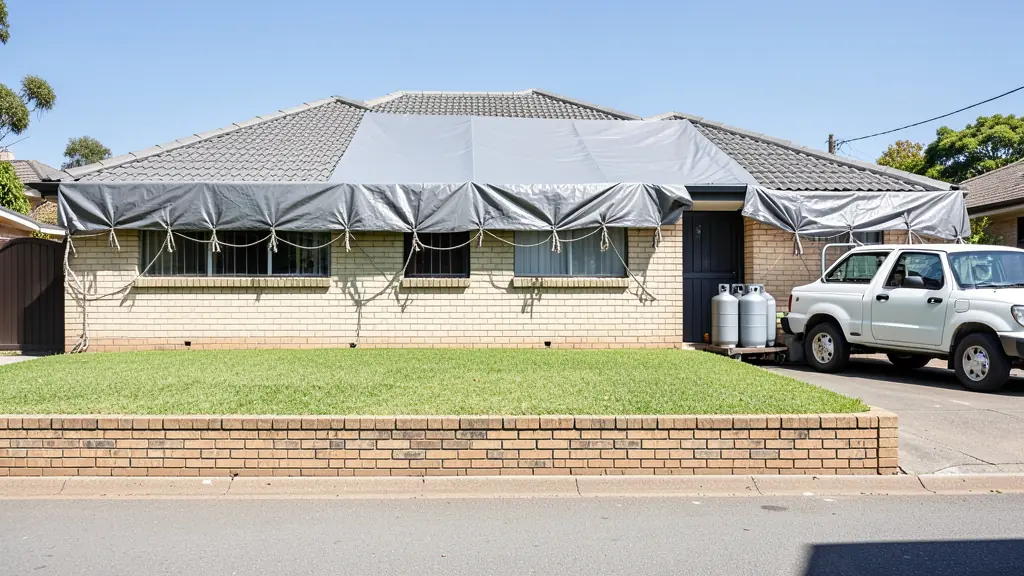
Typical tent fumigation requests in the area come from:
- Farms, grain stores and smallholdings: farmhouses, outbuildings and homesteads with wooden roofs, often far from the nearest fumigator
- Hotels, guesthouses and lodges: tenting a guesthouse or lodge in a quiet season, with wooden decks and thatch assessed
- Homes and families: tenting a house for drywood termites that have spread through roof timbers and cupboards
- Factories, warehouses and mines: tenting timber-framed buildings and stores, or gas treatment of a stack of timber
- Landlords, agents and body corporates: a clearance and report so a landlord can show the timber is treated before new tenants arrive
- Restaurants and food businesses: rarely tented while trading; usually a closed-day treatment of roof timbers or a stock room
- Exporters and freight forwarders: treating wooden crates and furniture in a sealed tent or chamber ahead of shipping
Local tips for Limpopo
Most asked about in Limpopo: termites, mosquitoes, snakes, cockroaches and grain store pests. Operators: pest control teams based in Polokwane, Tzaneen, Mokopane and Musina. A useful tip: ask about snake removal and mosquito advice if your site is near bush or water.
Tent Fumigation usually suits houses with drywood termites or wood borer. Method: sealed tent with sulfuryl fluoride gas. Re-entry: after a clear gas reading, 2 to 3 days. Follow-up: report and a guarantee, often 1 to 3 years. Season: hot, humid summers: termites and mosquitoes peak from October to April.
What to include in your request
- Floor area in m² and number of storeys
- Roof type and whether there is a roof void
- Where you found pellets or exit holes
- Attached units or neighbours
- Pets, plants and where they can stay
The more detail you give, the more accurate your quote will be.
Service area: Limpopo and surrounds
Pest control operators and fumigators on our network work throughout Limpopo, including Polokwane, Tzaneen, Mokopane, Lephalale, Hoedspruit, Thohoyandou, Phalaborwa. For farms and smaller towns, ask whether there is a travel charge and whether the operator can combine your visit with other jobs in the area.