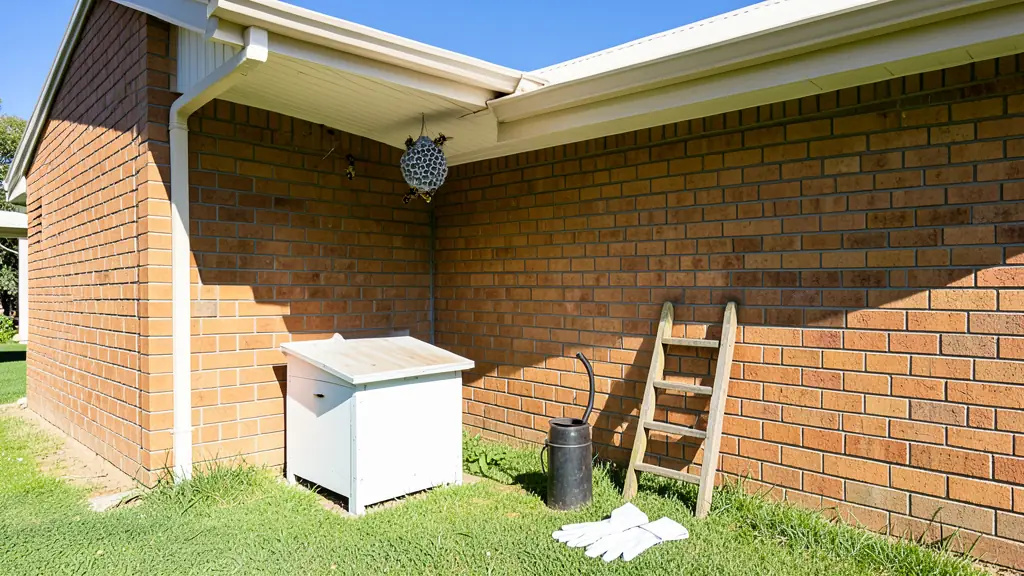
Bees and wasps need different handling. Honey bees are vital pollinators, so a swarm or a hive in a wall should go to a beekeeper who relocates it, and killing is a last resort. Paper wasps and similar species are removed or treated with a targeted insecticide. Send one request with a photo, where the nest is and how high, and registered operators and beekeepers near you quote directly. It is free and there is no obligation, and a quick call can prevent a nasty sting.
Swarm or established hive
A swarm is a cluster of honey bees hanging from a branch, fence or car for a few hours to a few days, while scouts look for a cavity. Swarms are usually docile and a beekeeper can collect one quickly, often cheaply or free. An established hive inside a wall, roof void or hollow tree has comb, honey and brood, and the bees defend it fiercely. Removing it means opening the wall, cutting out the comb and transferring the colony, which is skilled work.
Southern Africa has two honey bee types, the Cape bee and the African savanna bee. The latter can be defensive, so never disturb a hive yourself.
Relocate first, destroy only if needed
Bee numbers are under pressure, and beekeepers will usually take a colony if it can be reached safely. A good operator will first ask for photos, then offer relocation, and only destroy a hive when it is inaccessible, aggressive near a school or clinic, or a clear danger. Destruction usually uses a dust or targeted spray applied at dusk when the bees are inside.
Whatever the method, the old comb must come out. Left behind, wax and honey attract ants and wax moths, and the smell draws new swarms to the same cavity next season. Ask whether the quote includes comb removal and sealing the entry with mesh or sealant.
Paper wasps and other nests
Paper wasps build open, umbrella-shaped nests under eaves, in window frames and in garden sheds. Mud wasps plaster small tubes to walls. Both are less aggressive than bees unless the nest is knocked, but a paper wasp nest can hold dozens of angry insects. Tell the operator what you actually see, with a photo if you can.
Operators spray a residual product directly into the nest at dusk or dawn, wait for activity to stop and knock the nest down the next day. Do not use petrol or fire, which makes wasps worse and can damage roofing. For a wider problem, a general pest control visit can include nests among other treatments.
Stings and allergies
Most stings cause pain and local swelling. Scrape a honey bee sting out sideways with a card, wash the spot and use a cold pack. But a small number of people have severe allergies. If someone has trouble breathing, swelling of the face or throat, dizziness or hives, call emergency services immediately. Tell the operator if anyone in the home carries an adrenaline pen, so they can plan a safe approach and keep the family away from the work area. Keep pets indoors too.
What to include in your request
- Bees or wasps, or a photo of them
- Where the nest is and how high up
- Swarm, wall, roof or tree
- How long it has been there
- Anyone with sting allergies
Bee and Wasp Removal for different properties
- Homes and families: a swarm collected from a tree, a wasp nest knocked down from the eaves or a hive removed from the roof
- Landlords, agents and body corporates: prompt removal of nests near entrances and washing lines, with notice to tenants
- Restaurants and food businesses: wasp nests removed from outdoor kitchens, bins and delivery areas
- Hotels, guesthouses and lodges: quiet, early morning removal near pool decks, braai areas and garden restaurants
- Offices, schools, clinics and shops: nests near entrances, playgrounds and car parks, scheduled outside school or office hours
- Factories, warehouses and mines: nests in plant structures, gantries and yards, with safe access from a platform
- Farms, grain stores and smallholdings: swarms moved to an apiary and hives in sheds or barns relocated instead of destroyed
- Exporters and freight forwarders: wasp nests cleared around depots, sheds and stacked cargo before loading
Frequently asked questions
Who will take away a swarm of bees?
How much does nest removal cost?
Can I remove a wasp nest myself?
How soon will the bees return?
Bee and Wasp Removal by province and city
- Johannesburg
- Pretoria
- Centurion
- Midrand
- Sandton
- Randburg
- Roodepoort
- Krugersdorp
- Randfontein
- Germiston
- Boksburg
- Benoni
- Kempton Park
- Alberton
- Vanderbijlpark
- Vereeniging
- Durban
- Pinetown
- Pietermaritzburg
- Richards Bay
- Newcastle
- Ladysmith
- Gqeberha (Port Elizabeth)
- East London
- Kariega (Uitenhage)
- Mthatha
- Cape Town
- Bellville
- Paarl
- Stellenbosch
- George
- Worcester
- eMalahleni (Witbank)
- Middelburg
- Secunda
- Mbombela (Nelspruit)
- Rustenburg
- Brits
- Klerksdorp
- Potchefstroom
- Mahikeng
- Polokwane
- Tzaneen
- Kimberley
- Upington
- Bloemfontein
- Welkom
- Sasolburg