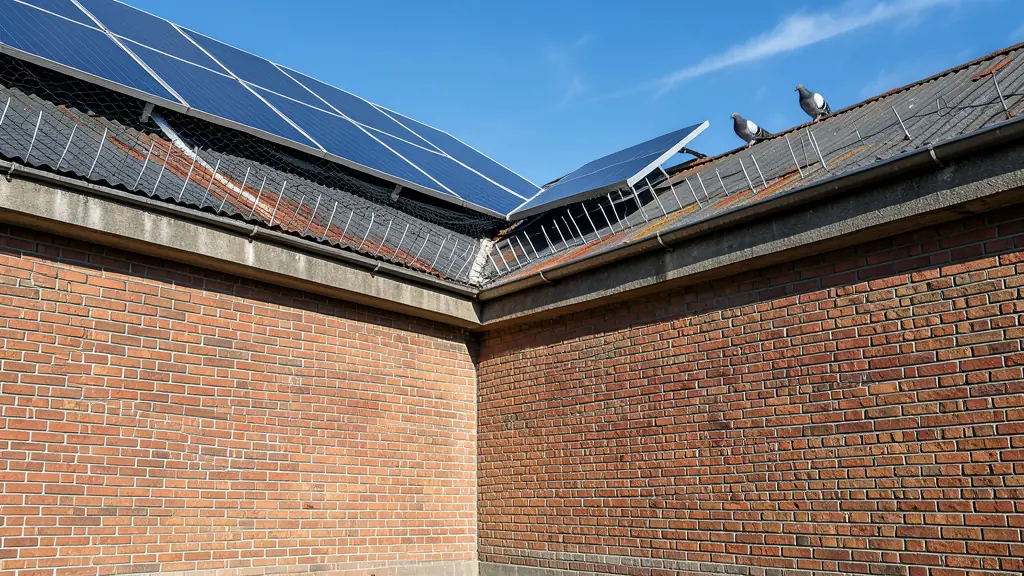
Bird control is about making a roof, ledge or beam an uncomfortable place to land, without harming the bird. Feral pigeons, mynas and house sparrows nest on warehouse beams, under solar panels, above shop entrances and in roof gaps, and their droppings foul walls, block gutters and carry disease. A good installer matches the method to the bird and the surface, and you pay by the metre or the area. Send one request with the site and the problem, and registered pest control companies near you quote directly, free and without obligation.
Which bird, which method
The feral pigeon is the commonest pest in cities and towns. It lands flat-footed on ledges, sills and beams, so spikes work well on narrow surfaces. Mynas and sparrows are smaller and squeeze through gaps, so they need netting or proofing of the opening itself. Gulls, starlings and weavers add their own habits, such as roosting in trees above a car park.
- Spikes: stainless steel or polycarbonate strips glued or screwed to ledges. Cheap and permanent, but they fail on wide ledges where birds simply stand between them.
- Netting: UV-stabilised mesh stretched across atriums, loading bays and under solar panels. It is the most reliable physical barrier.
- Tensioned wire: thin posts and steel wire that unsettle landing birds on parapets and gutters.
- Gel and sound: sticky gels and recorded calls are short-term and rarely last in rain or sun.
Protected species and no poisoning
Not every bird on your roof is a pest. Many wild birds are protected under provincial conservation ordinances and national biodiversity law, and swallows, swifts and owls are welcome neighbours that eat insects and rodents. Feral pigeons, house sparrows and mynas are generally the targets of control, but a reputable operator identifies the bird first and never guesses.
Poisoning birds is not acceptable. Poisoned bait kills indiscriminately, harms pets, and sends dead birds into gutters and stores. Ask a quote to describe exclusion, not killing. If birds are nesting, wait until the chicks have fledged before netting the cavity, so nothing is trapped inside.
Cleaning droppings safely
Dried pigeon droppings can hold fungal spores that cause histoplasmosis and cryptococcosis, and the mites in old nests bite people. Never sweep dry. A cleaning crew wets the droppings with a disinfectant first, scrapes them into sealed bags, then wears a P3-rated respirator, gloves and disposable overalls. Corrosive guano also eats paint and roof sheeting, so clean before you fit spikes or netting, which grips better on a clean surface.
For food premises, clinics and schools, ask for a written record of the clean and the proofing, as auditors and municipal health inspectors may want to see it. Pair this with commercial pest control if you already have a service contract.
What affects the price
Installers price spikes per metre and netting per square metre. Height matters most, because work above a few metres needs scaffolding or a cherry picker, which can double the bill. Count the linear metres of ledge, the number of solar panels, and note the roof pitch. Mention if you also want rodent proofing, since the same gaps let in rats; see rodent control. Cost depends on material, and cheap plastic spikes can crack in a Highveld winter.
What to include in your request
- The bird, or a photo of the roost
- Metres of ledge or beam to protect
- Height of the work above the ground
- Droppings to clean and how much
- Solar panels, gutters or roof gaps
Bird Control for different properties
- Homes and families: spikes on a garage lintel, mesh under solar panels and pigeons kept out of the roof void
- Landlords, agents and body corporates: proofing balconies and roof edges in complexes where droppings foul washing lines and walkways
- Restaurants and food businesses: netting over loading bays and delivery areas, with cleaning records for food safety audits
- Hotels, guesthouses and lodges: keeping pigeons off terraces, entrance canopies and outdoor dining areas without harming them
- Offices, schools, clinics and shops: spikes along building ledges, roof gutters and covered entrances to stop fouling
- Factories, warehouses and mines: netting beneath high roof trusses, spikes on gantries and a clean-up of old guano
- Farms, grain stores and smallholdings: netting for packhouses and feed stores, and proofing pigeon roosts above grain and silo bins
- Exporters and freight forwarders: keeping birds out of container depots and sheds where droppings could contaminate stored cargo
Frequently asked questions
Do bird spikes hurt the birds?
How do I keep pigeons off solar panels?
Will the birds just move next door?
How long do bird spikes last?
Bird Control by province and city
- Johannesburg
- Pretoria
- Centurion
- Midrand
- Sandton
- Randburg
- Roodepoort
- Krugersdorp
- Randfontein
- Germiston
- Boksburg
- Benoni
- Kempton Park
- Alberton
- Vanderbijlpark
- Vereeniging
- Durban
- Pinetown
- Pietermaritzburg
- Richards Bay
- Newcastle
- Ladysmith
- Gqeberha (Port Elizabeth)
- East London
- Kariega (Uitenhage)
- Mthatha
- Cape Town
- Bellville
- Paarl
- Stellenbosch
- George
- Worcester
- eMalahleni (Witbank)
- Middelburg
- Secunda
- Mbombela (Nelspruit)
- Rustenburg
- Brits
- Klerksdorp
- Potchefstroom
- Mahikeng
- Polokwane
- Tzaneen
- Kimberley
- Upington
- Bloemfontein
- Welkom
- Sasolburg