Phoning around for grain fumigation in Eastern Cape takes time, and every operator asks the same questions: the pest, the property and how big it is. Send one request instead and we pass it to grain fumigators and pest control operators who work in towns and cities across Eastern Cape. They quote on the treatment, the follow-up, the guarantee and the price.
Grain Fumigation in Eastern Cape
Grain fumigators who work around Eastern Cape travel between farms, co-ops and mills across Eastern Cape, so give the tonnage, the store type and your nearest town. Quotes depend on distance and the season, since busy periods follow harvest, so ask for a date and a clear exposure time.
Want to know more first? Our grain fumigation guide covers the options, what to check and what affects the price.
Pests and properties in Eastern Cape
The Eastern Cape runs from the temperate coast around Gqeberha and East London to the dry Karoo and the green Wild Coast. Coastal humidity favours cockroaches, ants, termites and bed bugs in homes, flats, guesthouses and holiday rentals, while the Karoo brings rodents, snakes and scorpions. The ports of Gqeberha, Ngqura (Coega) and East London handle vehicles, citrus and other exports, so container fumigation and warehouse treatment are common. Makhanda and Gqeberha have student housing, and Gqeberha and East London have food factories and motor plants that need regular programmes. Citrus farms in the Sundays River valley and livestock farms inland book rodent and fly control. Peaks follow the warmer months.
Typical grain fumigation requests in the area come from:
- Homes and families: rarely needed; a small pantry infestation is handled with bait and a clean-out instead
- Landlords, agents and body corporates: not usually relevant, apart from a landlord with a stored grain or feed store
- Hotels, guesthouses and lodges: seldom relevant, except lodges with large dry food stores treated by a registered operator
- Exporters and freight forwarders: treating grain at a depot or silo complex so it meets the buyer's requirements
- Restaurants and food businesses: mills, bakeries and feed makers treating flour, meal and raw material stores
- Factories, warehouses and mines: silos, mills and feed plants with recurring weevils or moths in grain and dust
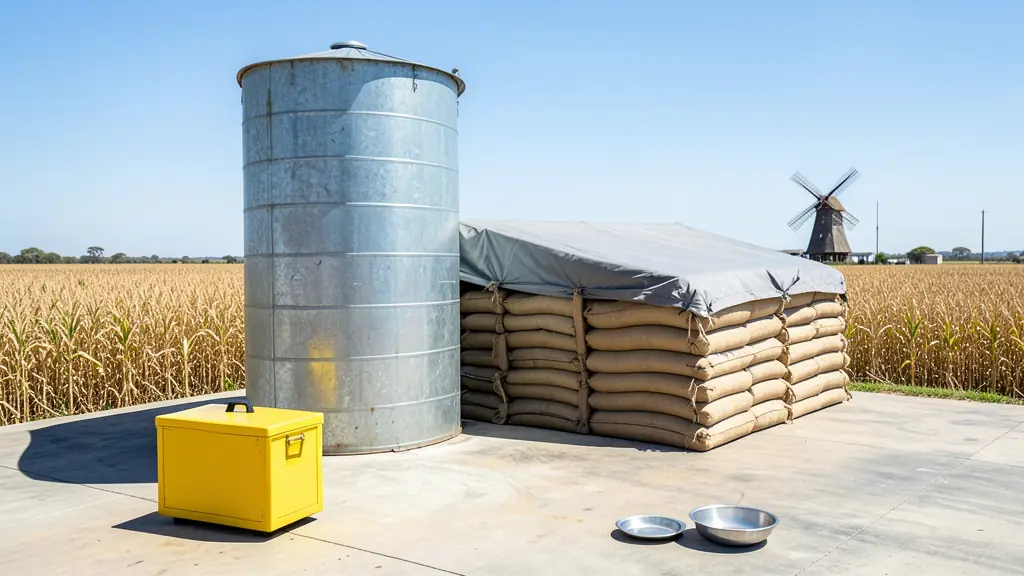
- Farms, grain stores and smallholdings: treating maize, wheat and sorghum in silos, sheds and bag stacks before sale
Local tips for Eastern Cape
Common here: cockroaches, ants, termites, rodents, bed bugs and container fumigation. Ask each operator about this: ask whether container fumigation can be done at the port or at your premises. Who does the work: pest control teams based in Gqeberha, East London, Makhanda and Mthatha.
Grain Fumigation usually suits farms, co-ops, mills and grain traders. Method: phosphine tablets or pellets under seal. Re-entry: after aeration and a clear gas reading. Follow-up: re-check grain and store after 2 weeks. Season: mild, humid coast: ants and cockroaches peak in summer, rodents in winter.
What to include in your request
- Grain type and tonnage
- Silo, shed or bag stack, with size
- Moisture and current temperature
- Where live insects were found
- Nearest town and access for a bakkie
The more detail you give, the more accurate your quote will be.
Service area: Eastern Cape and surrounds
Pest control operators and fumigators on our network work throughout Eastern Cape, including Gqeberha, East London, Mthatha, Makhanda, Jeffreys Bay, Port Alfred, Graaff-Reinet. For farms and smaller towns, ask whether there is a travel charge and whether the operator can combine your visit with other jobs in the area.