
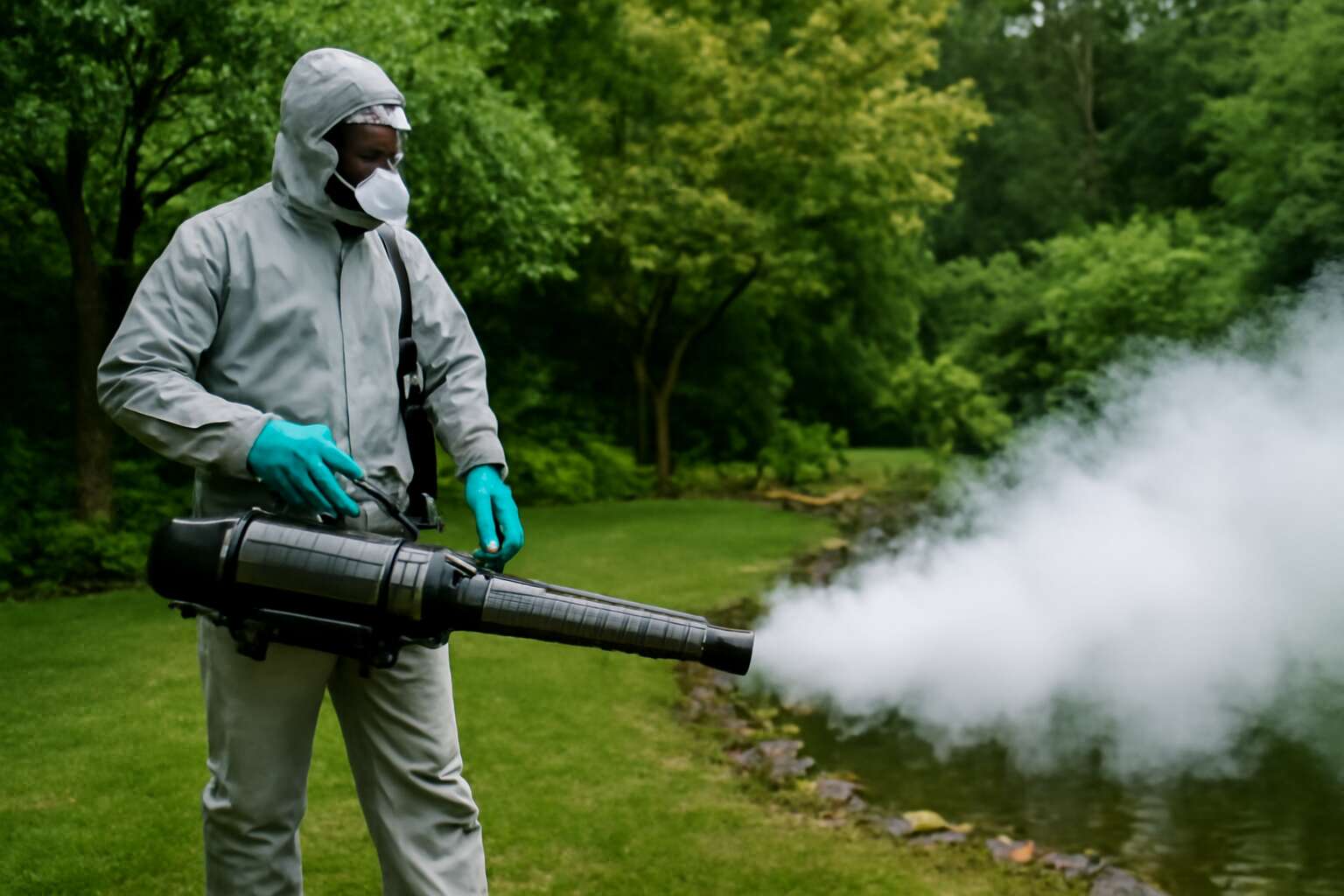
Integrated Mosquito Pest Management: An Overview
Understanding Mosquito Behavior and Lifecycle
Mosquitoes are the deadliest animals on the planet, a chilling reminder that a single wingbeat can carry a world of consequences. In South Africa’s warm seasons, they stalk yards, patios, and pools with a patient, nocturnal persistence. Integrated Mosquito Pest Management blends habitat modification, surveillance, and targeted applications—the core of pest control for mosquitoes—so communities stay one step ahead.
Understanding their behavior—where and when they bite, how they lay eggs, and the fragile stages of life—unlocks true protection. Here’s a snapshot of their lifecycle and the habits that drive their persistence:
- Eggs hatch in standing water
- Larvae breathe at the water surface
- Pupae emerge into buzzing adults
- Adults seek hosts at dusk
That knowledge shapes how communities anticipate peaks, manage breeding sites, and respond with precision rather than brute force.
Common Mosquito Species and Health Risks
In South Africa’s summer evenings, mosquitoes remind us that health is a neighborhood affair. Public health voices emphasize that the burden of disease and nuisance is shared, and that a thoughtful approach beats brute spraying every time. Integrated Mosquito Pest Management blends habitat insight, surveillance, and targeted interventions—the core of pest control for mosquitoes—and keeps communities ahead of the bite while preserving outdoor enjoyment.
- Aedes aegypti and Aedes albopictus
- Anopheles species
- Culex species
Common mosquito players carry distinct health risks—malaria, dengue, Zika, chikungunya—creating a mosaic of threats that demand nuance. IPM here champions surveillance, habitat awareness, and precision over brute force, adapting to South Africa’s climates and landscapes rather than offering a one-size-fits-all solution.
Why Effective Mosquito Control Matters for Health and Comfort
In South Africa, a growing body of practice shows integrated methods can cut nuisance by up to 60%, letting families reclaim evenings outdoors and breathe easier as the sun sinks behind the hills.
Integrated Mosquito Pest Management is not about brute force; it blends habitat insight, vigilant surveillance, and targeted interventions. It adapts to our diverse climates—from coastal breezes to inland heat—without a one-size-fits-all fix. pest control for mosquitoes sits at the core, harmonizing health and comfort through careful data and community effort.
- Surveillance-informed decisions
- Habitat awareness and modification
- Targeted, low-toxicity interventions
By weaving science with everyday life, IPM honors the land and the people who tend it, offering a thoughtful path through the season’s bite and bustle.
Choosing Between DIY and Professional Mosquito Management
Evenings deserve stars, not the whine of a persistent mozzie. In South Africa, Integrated Mosquito Pest Management demonstrates a 60% drop in nuisance when habitat insight, vigilant surveillance, and targeted interventions converge. IPM is not brute force; it orchestrates observation, timing, and respect for the land, adapting from Cape coastal breezes to Highveld heat!
- DIY basics: eliminate standing water, install screens, seal entry points
- Professional approach: ongoing surveillance, targeted larviciding with safe agents, and coordinated community education
Choosing between DIY basics and professional partnerships demands an honest appraisal of risk and pace.
For broader protection, pest control for mosquitoes has evolved into a coordinated service that blends DIY foundations with expert oversight. It respects local climates and the rhythm of South African summers.
Proven Methods for Home Mosquito Control
Eliminating Breeding Sites: Water Management and Drainage
The hour of dusk tilts the air into something almost supernatural, where a whispering swarm gathers around any patch of standing water. Breeding sites hide in plain sight, unseen until the bite arrives!
For pest control for mosquitoes, the plan hinges on water management and drainage. Reducing standing water and improving runoff disrupts breeding cycles, while tidy landscapes and clear gutters keep potential sanctuaries from taking hold.
In South Africa, climate speaks in microhabitats—sunny yards, shaded courtyards, flood-prone alleys—where moisture lingers and life stirs. A measured approach quiets the nuisance without shouting, letting homes breathe easier under the night.
Personal Protection and Barriers Inside the Home
Inside the home, the true battleground is quiet and unassuming. In South Africa, mosquitoes slip through the smallest gaps, turning dusk into a whispering siege. Even with outdoor strategies, the real frontline is inside the home, where proven pest control for mosquitoes relies on personal protection and sturdy barriers.
Personal protection extends beyond repellent. It’s about protective clothing, sleepwear, and a calm, steady routine that minimizes exposure in peak biting hours. The idea is to blend practicality with a hint of ritual, turning routine into resistance.
Barrier-friendly options focus on keeping mosquitoes out of living spaces:
- Screened windows and doors that seal at the frame
- Door sweeps and weather-stripping to close gaps
- Strategic indoor airflow with fans to disrupt flight paths
These measures fit South African homes—urban and rural alike—where climate microhabitats demand resilient, unobtrusive protection.
Chemical and Natural Repellents: Efficacy and Safety
Evenings in South Africa carry a whisper of danger: pest control for mosquitoes demands more than a spray bottle—it seeks balanced choices that fuse efficacy with safety.
Chemical repellents offer durable bite protection, with active ingredients like DEET, picaridin, and IR3535 commonly cited for proven performance in homes across urban and rural SA contexts. These products are most effective when used as directed and considered within a broader protection plan.
- EPA-registered products containing DEET, picaridin, or IR3535 provide proven efficacy.
- Natural options such as lemon eucalyptus and citronella offer milder, shorter protection.
- Always follow product labels, and consider skin sensitivities and household safety.
Natural repellents can complement indoor barriers, delivering a gentler approach while aligning with local preferences for environmental responsibility. For robust pest control for mosquitoes in South Africa, blending familiar routines with trusted formulations creates a quieter, safer dusk.
Safe Handling, Storage, and Application of Control Tools
In South Africa, pest control for mosquitoes demands respect for safety as much as efficacy. The evening air hums with quiet risk, and every tool in the shed carries a responsibility: protect your family, your pets, and your home from silent, unseen threats!
- Label guidance and product compatibility within your plan
- Safe storage away from children, pets, and food
- Responsible disposal and replacement aligned with local guidelines
Safe handling, storage, and application rest on three pillars: adherence to the label, proper containment to prevent leaks, and a sober respect for environmental impact. PPE shields skin and lungs; ensure ventilation and avoid mixing products that can release risky fumes. These practices support pest control for mosquitoes while protecting the home.
When the routine is observed, dusk becomes a shield rather than a trap, and the house remains a sanctuary against bites and the creeping unknown!
Outdoor Mosquito Control Strategies for Yards and Communities
Landscape Design to Reduce Standing Water
Evenings in the yard should be about braais and breeze, not a buzzing encore. A bottle-cap of standing water can spawn a mosquito army in days, and South Africa’s summer cranks up the drama. Smart landscape choices keep that drama off the guest list.
Landscape design that reduces standing water makes a real difference. Consider grading, drainage, and permeable surfaces to prevent puddles.
- Grade land to direct runoff away from living spaces
- Use permeable paving to prevent pooling
- Add shallow rain gardens or swales to capture runoff
- Plant natives that tolerate dry spells and need less irrigation
Mulching, plant spacing, and routine maintenance boost curb appeal while shrinking breeding opportunities. In communities, coordinated design turns every ditch and gutter into a line of defense, supporting pest control for mosquitoes.
Larviciding and Adulticiding: When and How
Mosquitoes love a South African sunset, but smart outdoor strategies refuse to feed the frenzy. This is not about fear; it’s about timing, balance, and protecting communities. In the field of pest control for mosquitoes, the best move is a measured, layered approach that respects both health and the environment. By watching rainfall, standing water, and activity levels, yards stay comfortable without inviting a biting crowd inside!
Larviciding and adulticiding: when and how—these terms define two stages of intervention that work best when aligned with seasons and mosquitoes’ life cycles. Used judiciously, they soften peak biting periods and prevent outbreaks without blanket spraying. The concepts below capture the logic:
- Larviciding targets larvae in water and reduces emergence.
- Adulticiding addresses flighting adults when activity rises.
Community-Based Mosquito Programs and Regulations
South African sunsets deserve a quiet plea, not a chorus of bites. In communities with active, cooperative programs, bite reports can fall noticeably during peak season. Outdoor Mosquito Control Strategies for Yards and Communities rely on timing, local partnerships, and respect for the environment. Community-Based Mosquito Programs and Regulations form a smart backbone: aligned with seasons, transparent reporting, and licensed professionals.
- Public education campaigns
- Licensing and regulatory compliance
Regulatory frameworks in South Africa require approved products, professional supervision, and transparent notification to residents. These programs foster trust and shared responsibility, decoupling broad spraying from everyday life. When communities pursue pest control for mosquitoes in concert with regulators, outcomes improve. Approaches must balance efficacy with environmental stewardship, prioritizing targeted interventions over indiscriminate action. That partnership keeps parks pleasant and homes comfortable, without sacrificing safety. We know these programs thrive when neighbours engage.
Monitoring, Trapping, and Data-Driven Decisions
Beneath the South African dusk, the night keeps a ledger of bites. Summer, bite reports surged by 28% when breezes paused and rains lingered, a haunting metric for any community gardener. Monitoring, trapping, and data-driven decisions turn the silence of a yard into a chorus of action, where shadows reveal trends rather than surprises.
We lean into precise, humane tactics that respect the living landscape. The backbone rests on three practices:
- Monitoring networks that log crepuscular activity and microclimates
- Trapping that reveals species and movement patterns
- Data-driven decisions that align with weather, schedules, and community rhythms
In this allegiance between science and soil, pest control for mosquitoes becomes a measured act rather than an act of fear—an approach that keeps parks serene and yards inviting as evening settles. This is pest control for mosquitoes. I linger on the edge of the yard as the last light fades, hearing the night whisper back with data, patience, and purpose!
Public Education and Community Engagement
Evenings across South Africa’s gardens reveal a cooperative heartbeat! Public education and community engagement transform fear into informed action, turning shadowed spaces into safe, welcoming places after dusk. When neighborhoods share simple, language-accessible messages about standing water, entry points, and personal protection, pest control for mosquitoes becomes a collective responsibility rather than a lone battle. The result is calmer parks, kinder yards, and communities that plan together with the weather and the wind.
- Public education campaigns in local languages
- Community workshops and school outreach
- Neighborhood alert networks and shared data dashboards
These collaborative strands weave science and soil into a living canopy, inviting residents to savor evenings without the gnawing of bites and to view dusk as a time of communal vigilance rather than fear.
When to Hire a Mosquito Control Professional
Indicators DIY Isn’t Enough: Persistent Infestations and Severe Risks
Even the most accomplished braai host discovers mosquitoes do not RSVP to invitations. In South Africa, warm evenings turn yards into a subtle battlefield. When DIY attempts stall and the bite tally climbs, engaging a professional pest control for mosquitoes becomes a prudent, almost genteel, wager.
Consider these indicators that DIY isn’t enough:
- Persistent mosquito activity after weeks of DIY efforts
- Bites continue indoors or at unusual hours despite repellents
- Visible breeding sites or standing water around the property that resist simple remedies
- Increased bites among children, the elderly, or other vulnerable household members
Persistent infestations raise more than nuisance concerns; they elevate health risks, especially where malaria-carrying species are present and dense living areas amplify exposure. A qualified team can assess risk and deploy a measured pest control for mosquitoes strategy that respects safety and property.
What a Professional Service Includes
When mosquitoes persist after a season of DIY efforts, it’s wise to call in a pest control for mosquitoes. In South Africa, warm evenings turn yards into a buzzing battlefield, and a licensed team can map risk and tailor a plan that respects safety and property.
A professional service typically includes several layers, from inspection to follow-up. Consider these core elements:
- Comprehensive property inspection to identify breeding hotspots and risk factors
- Customized treatment plan with a mix of approved tools tailored to the site
- Strict safety protocols and compliance with local regulations
- Ongoing monitoring and transparent progress reporting to track results
Beyond products, this pest control for mosquitoes approach emphasizes regulatory compliance, eco-friendly options, and minimal disruption to everyday life while protecting vulnerable household members.
Cost, Guarantees, and Safety Considerations
Nightfall over a quiet South African yard can feel like a siege when mosquitoes rule the air. Hiring a pest control for mosquitoes pro is often cheaper than endless DIY battles, offering a licensed map of risk, a tailored plan, and real relief for your evenings.
Costs vary with property size, infestation intensity, and service frequency, but many homeowners find the investment worthwhile for lasting relief. Guarantees may include re-treatments or follow-up visits if activity persists after the initial service.
- Property size and layout
- Infestation severity and breeding sites
- Yard accessibility and safety considerations
- Follow-up monitoring and guarantees
Safety comes first: licensed operators follow strict safety protocols and local regulations, with eco-conscious options available. In a robust pest control for mosquitoes program, you’ll see transparent pricing, documented safety data, and clear communication about products used and any impact on children or pets.


0 Comments