
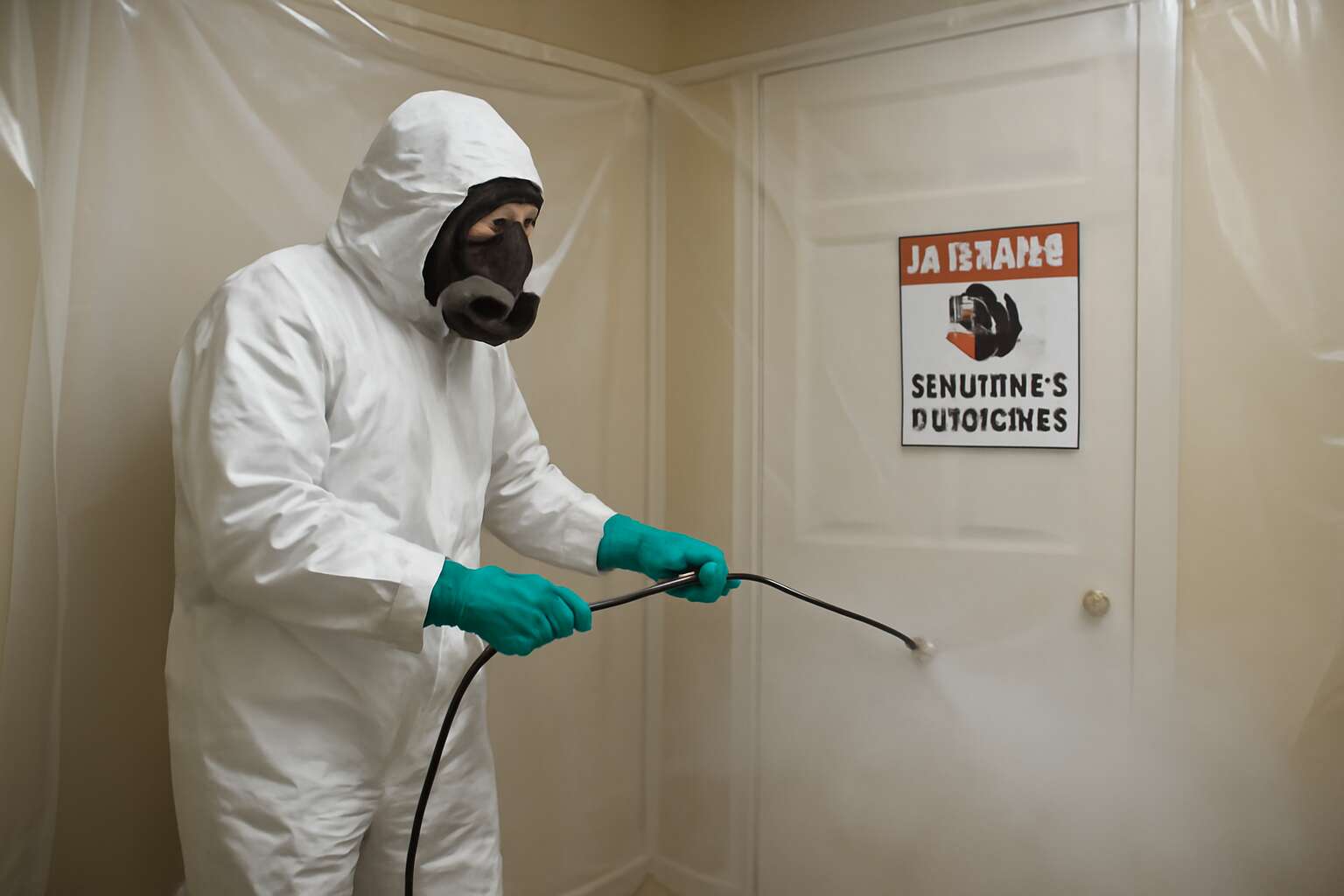
Fumigation process outline
Planning and safety for fumigation
Across rural South Africa, pests cost farms and households millions each year, nibbling at stored grain and quiet nights. A properly managed fumigation can restore balance, giving breeders and families a sense of security. This is a window into what happens during a fumigation, where careful planning, respectful safety, and a touch of science converge—together, we safeguard homes and harvests alike!
Planning and safety for fumigation begin well before the doors are sealed. Our team assesses the space, considers weather, and maps potential exposures. We seal off vulnerable areas, protect crops, and communicate with neighbours so the region feels calm rather than crowded. It’s a careful choreography that keeps people, animals, and grain stores safer.
Core steps to align expectations:
- Site assessment and documentation
- Neighbour notification and signage
- Safety protocols and monitoring
That trust—the quiet strength of rural communities—remains the true measure of a safe fumigation!
Fumigation mechanics and treatment details
Across rural South Africa, pests nibble at stored grain and quiet nights alike, a reminder of the delicate balance the industry aims to protect. Understanding what happens during a fumigation reveals the careful choreography behind the scenes—science, timing, and trust working in concert to safeguard crops and homes.
Mechanics hinge on controlled release, uniform distribution, and containment. The team ensures seals are intact, airflows are monitored, and the treatment remains within designed boundaries, all while watching for anomalies that could derail outcomes. The process rests on diffusion dynamics, where temperature, moisture, and material porosity guide how quickly the gas moves through spaces.
- Fumigant dispersal and coverage checks
- Concentration monitoring and boundary verification
- Aeration and post-treatment confirmation
In the end, the goal is quiet confidence—homes, barns, and grain stores restored to balance, with a path forward for the season ahead.
Ventilation and safety during fumigation
Across a quiet South African storeroom, the air holds a promise of balance. Understanding what happens during a fumigation reveals a choreography of science, timing, and trust. Ventilation becomes a steady conductor, guiding the gas through spaces with measured grace.
To keep spaces safe and effective, the team anchors the operation with a ventilation plan that respects seals, airflow, and boundary checks.
- Seal integrity verification before release
- Continuous concentration and boundary monitoring
- Safe aeration and post-treatment confirmation
These steps ensure that ventilation and safety during fumigation remain tight and transparent, never letting concern drift into the air.
Auditors watch gauges, technicians audit seals, and the space exhales through controlled aeration, restoring calm confidence to barns, stores, and homes.
Post fumigation steps and verification
Post-fumigation verification is the quiet finale that decides whether space returns to balance or lingers in doubt. Understanding what happens during a fumigation is the headline; what unfolds after—seal integrity confirmations, air readings, and a patient aeration—reframes the outcome as safety, not risk. The space breathes again as gauges settle and the team signs the story into an audit trail.
- Post-treatment seal integrity verification and boundary demarcation to confirm no missed openings.
- Air quality sampling and residue verification to ensure safe aeration is complete.
- Documentation and sign-off, converting data into an accessible audit trail for South African barns, stores, and homes.
With those steps, the narrative closes with confidence.

0 Comments