
Comprehensive guide to fumigation gas
Understanding fumigation gas fundamentals
In South Africa, proper fumigation gas handling can cut re-entry risk by up to 40% and shrink downtime. I see teams save hours when safety steps are followed.
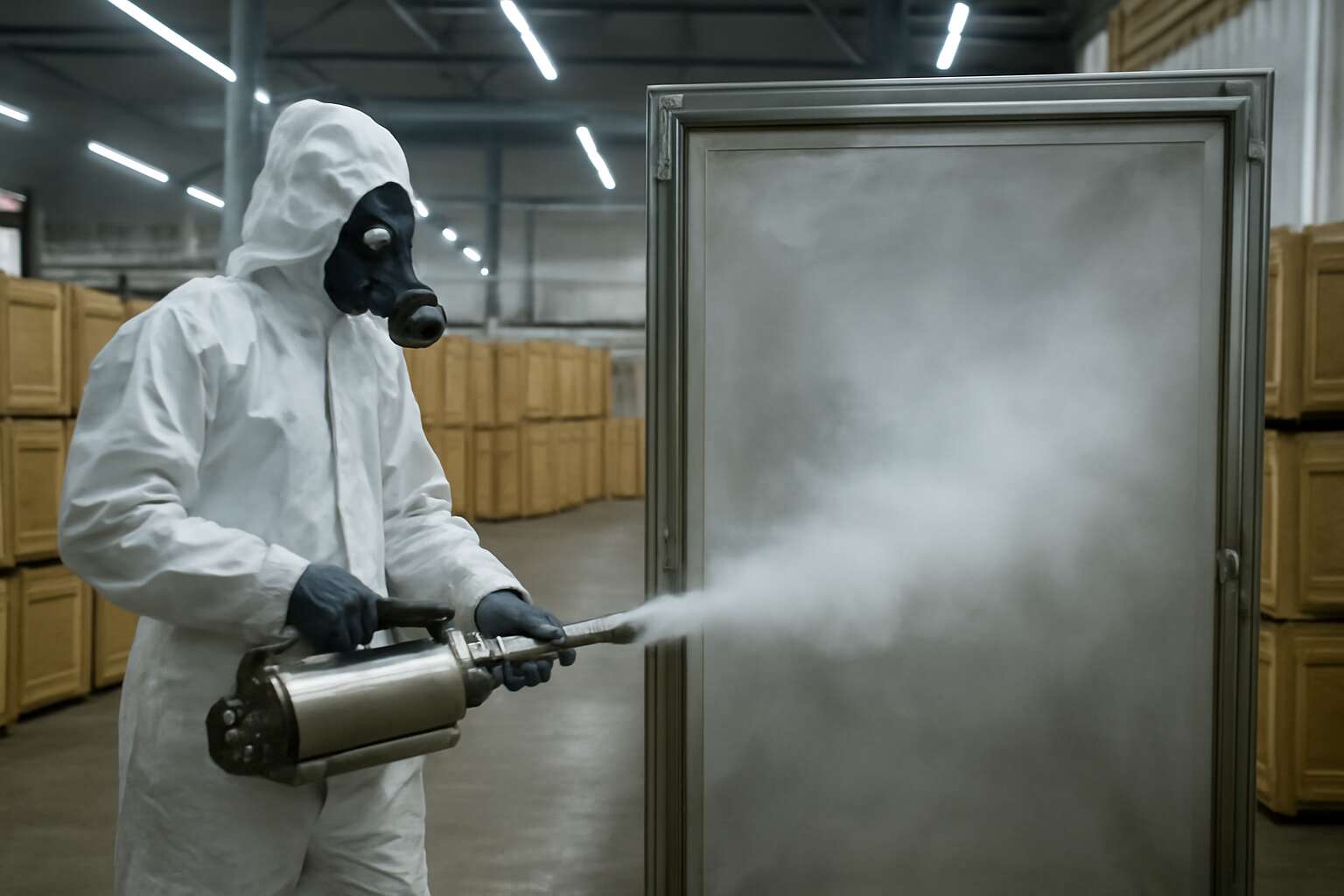
Understanding fumigation gas fundamentals starts with how the gas works, the equipment, and safety margins. Consider this fumigation gas example: it demonstrates even dispersion, pest targeting, and safe re-entry timing.
- Gas type and efficacy
- Enclosure integrity and sealing
- Monitoring and ventilation controls
These basics shape safer, more reliable fumigation across SA sites.
Gas options and properties for fumigation
Across the Karoo and coastal farms, choosing the right fumigation gas options can quietly rewrite the seasonal timetable. This fumigation gas example highlights how different gases behave in enclosed spaces, shaping performance without shouting for attention.
Key options and their general properties include:
- Phosphine (PH3): rapid pest knockdown in sealed spaces; widely used with proper sealing.
- Sulfuryl fluoride (SO2F2): steadier dispersion, longer residence, suitable for heat- or moisture-sensitive goods.
- Methyl bromide: historically common but heavily regulated and being phased out in many regions; alternatives preferred.
Choosing among these properties is a matter of matching pest profiles to enclosure realities, a task SA teams approach with careful planning, local knowledge, and unwavering respect for safety.
Safety, regulation, and compliance
Across South Africa’s farms, compliance is the quiet backbone of safe fumigation, a compass in the veld guiding every discreet procedure. A seasoned specialist once said, “Safety is the unseen edge that keeps operations steady.” This fumigation gas safety, regulation, and compliance guide invites clarity, accountability, and steady stewardship.
In SA, regulation centers on licensing, sealed enclosures, and clear labeling to protect workers and the environment. The approach favors traceability and routine audits, ensuring practices remain aligned with safety standards and responsible stewardship across teams.
- Licensing and permits
- Sealed enclosure verification
- Hazard labeling and signage
- Documentation and audits
This fumigation gas example demonstrates how safety, regulation, and compliance shape training, vendor choices, and facility design.
Practical applications and case studies
Across South Africa, proper fumigation can slash post-harvest losses by up to 40% in the first season, a figure that resonates on every dusty farm track and in the veld. This fumigation gas example reveals how real-world teams translate compliance into calm and efficiency on the ground.
In practice, crews map a route through silos, crates, and storage sheds, using sealed enclosures and clear labeling to keep workers safe while maximizing efficacy. The most touching stories come from families who see better yields after careful application, not rushed across a long afternoon.
- Case study: a Limpopo maize store cut pest pressures after one season.
- Case study: a KwaZulu-Natal citrus packhouse improved worker safety with better signage.
- Case study: a Free State wheat silo integrated precise monitoring of gas exposure.



0 Comments