
Overview of Fumigation and Extraction in Pest Management
What the Technique Involves
Timber damage costs South Africa millions each year, a stubborn reminder that pests don’t quit when the calendar flips. The fumigation extraction method is a two-part approach designed to reach hidden invaders: first, a carefully controlled fumigant saturates woodwork cavities and voids to knock out termites and other wood-dwellers; then extraction checks confirm mortality and assess treatment efficacy.
- Penetrates deeply into timber and structural voids
- Post-exposure extraction validates pest mortality and treatment success
- Operates under strict safety and environmental guidelines in South Africa
In practice, the technique blends science with logistics—precision sealing, continuous gas monitoring, and careful aeration—ensuring the process protects people, pets, and property while delivering measurable outcomes. For SA homeowners and facilities managers, this means fewer retreatments and clearer timber health signals.
Common Gases and Solvents Used
Timber damage costs South Africa millions each year, and pests still throw a late-night party when the lights go out. An overview of fumigation and extraction in pest management reveals a practical, almost theatrical routine: the fumigation extraction method saturates hidden timber cavities, then extraction confirms mortality and gauges treatment efficacy. I’ve seen houses where the timber sighs relief only after this two-step performance.
Common gases and solvents used in this realm are chosen for precision and safety. Here are the main players:
- Sulfuryl fluoride — widely used fumigant
- Phosphine — sealed-structure gas
- Chloropicrin — irritant co-applied
- Acetone — lab solvent for analyses
- Methanol — solvent for residue testing
All of this unfolds under South Africa’s strict safety and environmental guidelines, balancing effectiveness with care for people, pets, and property. It’s science with a conscience and a touch of gracious pragmatism.
Typical Equipment and Setup
Across pest-control stages, the fumigation extraction method reads like a small, deliberate performance. A purpose-built chamber, careful sealing, and quiet monitoring turn hidden timber cavities into a controlled stage where mortality is confirmed and treatment effects are measured.
Typical setup blends field practicality with disciplined precision. Here are components you’ll encounter:
- Gas-tight enclosure or tent with reliable seals
- Distribution hoses, regulators, and dampening devices
- Gas meters and monitoring sensors for O2, H2S, and VOCs
- Extraction fans and scrubbers to manage release
- Personal protective equipment and emergency shutoffs
- Documentation and process verification records
Even within South Africa’s strict safety and environmental guidelines, the human factor remains central—homeowners, pets, and neighbours are part of a respectful, scientifically grounded rhythm.
Key Benefits and Trade-Offs
The fumigation extraction method unfurls like a quiet quest through hidden cavities, where sealed spaces become stages for invisible labor. In South Africa’s warm façades, the chamber’s hush translates into measurable control—mortality confirmed and damage minimized.
- Thorough reach of hidden voids and timber pockets
- Swift pest mortality with clear verification
- Reduced risk of cross-contamination between treated and untreated zones
Trade-offs? The method demands containment rigor, skilled oversight, and respect for neighbours—costs and energy use rise, but flexibility and timing improve. The balance lies in disciplined planning and clear communication within South Africa’s safety framework.
And in the sunlit towns of SA, this approach remains a carefully orchestrated rite—a fusion of science, safety, and stewardship that lets communities sleep a little easier.
Process Steps and Methodology for Gas-Based Extraction
Assessment and Planning
Choreographing gas-based work is as much philosophy as technique. A precise plan makes the fumigation extraction method sing, and a South Africa–focused industry pulse shows that eight in ten projects succeed when thorough planning leads the way.
Process steps and methodology unfold like a careful draft:
- Site and condition assessment to understand material, layout, and regulatory requirements
- Gas and solvent selection aligned with safety, efficacy, and environmental stewardship
- Safety, monitoring, and communication protocols to safeguard workers and occupants
- Scheduling, logistics, and documentation to ensure traceability and accountability
Beyond gas choice, the strength lies in how data, oversight, and culture converge to deliver reliable outcomes. This is what the fumigation extraction method ultimately becomes: a disciplined interplay of science and stewardship.
Gas Application and Control
Process steps and methodology unfold like a careful draft: a rhythm where containment, distribution, and oversight harmonize. The fumigation extraction method reveals its true nature only when each phase is understood, not rushed. In South Africa, regulatory requirements set the tempo, ensuring material, layout, and responsibilities align before any gas enters the scene!
- Targeted deployment and containment to minimize exposure
- Controlled gas distribution and monitoring to ensure uniform reach
- Verification, reporting, and archival documentation for traceability
Beyond gas choices, the strength lies in data, oversight, and culture converging to deliver reliable outcomes. This method dissolves into a disciplined interplay of science and stewardship—a canopy of precision where safety, compliance, and professional rigor shadow every corridor.
Containment, Ventilation, and Safety
Containment and airflow awaken the space; the fumigation extraction method demands rhythm and accountability. In South Africa, regulatory tempo ensures materials, layout, and responsibilities align before any gas enters the scene. When this alignment holds, risk becomes a calculable factor and safety is built into every doorway.
- Containment design and pre‑application clearance to seal zones and control access
- Controlled gas distribution with real‑time monitoring and automated alarms
- Post‑application verification, ventilation management, and archival reporting
Beyond the mechanics, the gas-based extraction discipline rests on data, oversight, and culture—a quiet ethic that threads safety through every corridor. In South Africa, regulators expect traceability and timely reporting, so the system remains transparent, accountable, and ready to adapt to new challenges.
Verification, Testing, and Documentation
Fact: a single verification error can delay a project and raise risk in volatile spaces. In the fumigation extraction method, accuracy is the currency that keeps doors open and inspectors satisfied.
Structured verification steps unfold as a concise sequence.
- Pre-verification planning and documentation review, including scope, responsibilities, and access control.
- In-situ verification, calibration checks, real-time data capture, and alarms to confirm gas behavior.
- Post-application verification and archival reporting, ensuring traceability and regulatory readiness.
This disciplined approach weaves data, oversight, and culture into every workflow, maintaining transparency and readiness for new challenges in South Africa’s regulated landscape. Authorities expect timely reporting and clear chain-of-custody.
Post-Treatment Procedures
After the final seal is breached, the true measure of the fumigation extraction method reveals itself. In South Africa’s regulated theatre, a single post-treatment lapse can cascade into delays and risk. This phase demands precision, documentation, and a steady hand guiding the process back to compliance.
Post-treatment procedures unfold in a deliberate cadence, and I’ve learned to watch them turn data into assurance. The following steps anchor traceability and regulatory readiness:
- Post-treatment air-quality assessment and residue profiling.
- Independent validation and secure records to support traceability.
- Narrative alignment and regulator-ready documentation for audits.
Ultimately, the post-treatment discipline preserves credibility and readiness for audits, a quiet assurance auditors hear as gold in South Africa’s regulatory theatre.
Safety, Compliance, and Risk Management
Regulatory Standards and Certifications
“If you can’t document safety, you can’t claim competence,” a veteran inspector likes to say. Safety, compliance, and risk management aren’t buzzwords; they’re the quiet engines behind any successful fumigation extraction method. When audits hum along and records stay spotless, confidence in your operation follows—sparkling and precise.
In South Africa, regulatory standards guard workers and the environment with a firm hand. The right certifications are more than ornament; they’re evidence of disciplined practice. Consider these touchpoints:
- OHS Act compliance and risk assessment
- SABS accreditation and equipment/testing standards
- GHS labeling and Safety Data Sheets
They conform to safety norms, reduce risk, and keep teams aligned with best practices.
Beyond certificates, risk management thrives on ongoing training, transparent incident reporting, and regular third‑party audits. A culture of care is visible in every log, permit, and calibration, earning the trust of clients and regulators alike.
Personal Protective Gear and Worker Safety
“Safety is a promise kept,” a veteran inspector often reminds us. In the thin morning air on a smallholding, that promise weighs heavy—it keeps the harvest intact and the team whole during the fumigation extraction method.
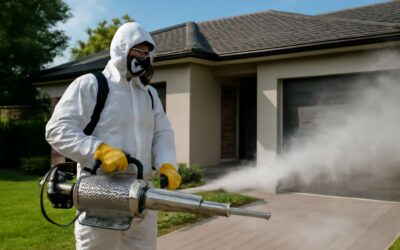
PPE is not adornment; it’s your partner in the field. Aligned with the OHS Act and SABS standards, the right gear isn’t optional—it is the first line of defense in South Africa’s working landscapes every day.
- Respiratory protection with organic vapor cartridges
- Full-face shield or safety goggles
- Chemical-resistant coveralls
- Chemical-resistant gloves
- Chemical-resistant boots or boot covers
Beyond gear, safety culture means ongoing training, transparent incident reporting, and third-party audits. You can feel the care in every log, permit, and calibration—earning the trust of clients and regulators alike.
Environmental Protection and Emission Controls
Safety is more than a slogan on a clipboard—it’s the difference between a clean harvest and a compromised season. In the fumigation extraction method, environmental protection and emission controls shape every decision, from planning to post-checks, keeping air, soil, and communities safer!
Compliance isn’t a box to tick; it’s a lived practice that underpins trust with regulators and clients alike here in South Africa. Ongoing risk management, transparent incident reporting, and third-party audits create a culture where near-misses become lessons, not excuses.
- Emission monitoring and reporting
- Containment integrity and leak detection
- Waste handling and final disposal
These elements form a resilient framework that protects workers and the environment while sustaining productivity.
Inspection, Record-Keeping, and Quality Assurance
In South Africa’s fields, the fumigation extraction method demands a stubborn clarity: safety is not a slogan but the first season’s weather. A single lapse can ripple through workers, communities, and the harvest—so every shift begins with vigilance and purpose.
Compliance isn’t a ritual to endure; it’s a living framework: rigorous inspection schedules, transparent incident reporting, and third‑party audits keep accountability proximal.
- Inspection protocols and checklists
- Record-keeping and calibration logs
- Quality assurance cycles and corrective actions
These elements stitch safety into daily practice, turning near misses into lessons.
Risk management is a daily discipline—anticipating hazards, documenting near-misses, and training teams to respond calmly. With thorough record-keeping, calibration, and QA workflows, the operation stays reliable, compliant, and trusted by regulators and clients alike.
Emergency Response and Incident Handling
“Safety is a culture, not a checklist.” In South Africa, that culture saves lives and preserves livelihoods! Emergency Response and Incident Handling depend on rapid alerting, clear roles, and drills that meet local standards. Within the fumigation extraction method, these processes are non-negotiable.
When the worst happens, a defined playbook matters.
- Immediate notification and containment
- Medical aid coordination and site decontamination
- Incident investigation, documentation, and regulatory reporting
Risk management is a daily discipline; near-misses become lessons that sharpen practice and maintain trust with regulators and clients in South Africa.
Applications, Use Cases, and Industry Adoption
Residential, Commercial, and Industrial Scenarios
Across South Africa, costly timber damage from pests erodes property values and peace of mind in equal measure. The fumigation extraction method is more than a procedure—it’s a strategic leap toward thorough remediation and long-term structural resilience, especially in older homes and timber-heavy buildings. We see it delivering tangible value.
Residential use centers on whole-structure treatment before renovations, post-purchase risk mitigation, and safeguarding heirloom timber. In suburbs and towns alike, homeowners value discretion, effective containment, and minimal downtime, so the method earns trust as a definitive solution for compromised frames.
- Termite control in timber-framed houses
- Pre-sale structural remediation for wooden assets
- Post-construction protection in new builds
Commercial and industrial adoption grows in warehousing, manufacturing facilities, and hospitality sectors where downtime matters. When properly deployed, it supports compliance with local standards, enhances asset longevity, and aligns with responsible environmental practices in the South African context.
Pest Specificity and Efficacy Data
Timber pest damage costs South Africa billions annually, gnawing away at property values and peace of mind alike. The fumigation extraction method isn’t just a procedure—it’s a strategic leap toward thorough remediation and lasting structural resilience. Across field trials and real-world applications, pest specificity has translated into fast, colony-wide knockdown, backed by solid efficacy data for timber assets and heirlooms alike.
- Pre-sale structural remediation for wooden assets
- Post-construction protection in new builds
- Downtime-sensitive commercial environments such as warehousing, hospitality, and manufacturing facilities
Industry adoption is rising across residential, commercial, and industrial spaces in South Africa, with the fumigation extraction method delivering measurable pest control outcomes and asset longevity.
Case Studies and Lessons Learned
Timber damage costs South Africa billions annually, gnawing away at property values and peace of mind. The fumigation extraction method has emerged as more than a procedure—it’s a strategic lever that delivers rapid, colony-wide knockdown and restores confidence in timber assets.
From pre-sale structural remediation of historic timber to post-construction protection in new builds, this method fits tightly timed schedules. In warehousing, hospitality, and manufacturing, this method minimizes downtime while safeguarding heirlooms, joists, and framing with proven efficacy.
Industry adoption is accelerating across residential, commercial, and industrial spaces in South Africa, with case studies showing measurable asset longevity. Lessons learned emphasize meticulous planning, transparent communication, and post-treatment verification to ensure the method’s benefits persist beyond the initial remediation window.
Cost Considerations and ROI
Timber assets are a costly risk; industry data shows billions in SA losses each year from unseen infestations. The fumigation extraction method is not just a procedure—it’s a strategic lever that delivers rapid, colony-wide knockdown and restores confidence in timber assets.
Applications span pre-sale structural remediation of historic timber, post-construction protection in new builds, and use in warehousing, hospitality, and manufacturing. It fits tightly timed schedules, protecting heirloom joists, framing, and retail fixtures while keeping projects on track in South Africa’s markets. The fumigation extraction method remains a trusted choice for complex heritage projects while scaling for modern facilities.
Industry adoption is accelerating across residential, commercial, and industrial spaces in South Africa. Case studies show asset longevity and shorter downtime, with ROI rising as downtime erodes costs. Cost considerations include upfront fees, scheduling, and verification, but long-term savings from preserved timbers and reduced rework often outweigh the initial outlay.
Industry Trends and Adoption Drivers
Across South Africa’s timber landscapes, unseen infestations drain billions from asset value every year. The fumigation extraction method is more than a procedure; it’s a strategic lever that delivers rapid, colony-wide knockdown and restores confidence in timber inventories. From Cape Town’s coastal warehouses to Gauteng’s high-rise frames, risk is tamed when the process flows with precision.
Applications span pre-sale structural remediation of historic timber, post-construction protection in new builds, and use in warehousing, hospitality, and manufacturing. It fits tightly timed schedules, protecting heirloom joists, framing, and retail fixtures while keeping projects on track in SA markets.
- Pre-sale structural remediation of historic timber
- Post-construction protection for new builds
- Warehousing, hospitality, and manufacturing facilities
Industry adoption is accelerating across residential, commercial, and industrial spaces in South Africa. Case studies show asset longevity and shorter downtime, with ROI rising as downtime erodes costs. The fumigation extraction method remains a trusted ally for heritage projects and scalable for modern facilities.
- Downtime reduction and faster turnover
- Preservation of heirloom timbers and framing
- Regulatory and environmental standard alignment
Future Trends, Innovations, and Best Practices
Emerging Gas Technologies and Alternatives
Logistics never sleeps, and a recent industry survey shows 67% of facilities plan upgrades within two years. The fumigation extraction method is changing under tighter rules and rising efficiency demands!
Future trends lean toward precision and transparency. Innovations in gas delivery, sensor networks, and data-driven control reshape how we think about efficacy and safety.
- Inert gas options using nitrogen or argon for controlled atmospheres.
- Lower-toxicity alternatives paired with robust real-time monitoring.
- Digital dashboards and analytics to track emissions and efficacy.
Best practices from field trials emphasize site-specific planning, meticulous documentation, and worker safety. Clear communication with clients and regulators helps temper risk and sustain trust.
In South Africa, adoption must balance access to gear, energy use, and environmental protection. The trajectory favors smarter methods that reduce downtime while safeguarding people and ecosystems. For the fumigation extraction method, the shift means safer, faster processes.
Automation, Monitoring, and Real-Time Analytics
In the bustling corridor of progress, the fumigation extraction method is being reimagined as regulators tighten the reins and operators chase clarity. A compelling stat from the field—67% of facilities plan upgrades within two years—signals that precision and transparency are the new normal. The method becomes a disciplined craft where atmosphere control, safety, and efficacy intertwine with data-driven oversight.
Future trends hinge on autonomous calibration, continuous data streams, and explainable control logic. For those who like a little flair, here are the defining shifts:
- Autonomous calibration cycles
- Predictive maintenance signals
- Explainable dashboards and logs
Best practices insist on site-specific thinking, meticulous documentation, and worker welfare, all tempered by open dialogue with clients and regulators. In South Africa, adoption must harmonize access to gear, energy use, and ecological safeguards. The trajectory favors smarter methods that shorten downtime while guarding people and ecosystems—the fumigation extraction method proving itself as safer, faster, and more accountable.
Sustainability, Green Standards, and Compliance
Across South Africa’s farms and facilities, the fumigation extraction method is poised for a gentler, smarter future. Future trends point to closed-loop controls, data transparency, and measurable safety. The result is a craft that blends atmosphere stewardship with clear, accountable practice.
Here are innovations quietly reshaping practice:
- Low-toxicity formulations and reduced emissions
- Remote verification and tamper-evident logs
- End-to-end traceability from prep to post-treatment recovery
Best practices emphasize site-specific thinking, meticulous documentation, and worker welfare, aligned with green standards and compliance metrics. In SA, adoption must harmonize access to gear, energy efficiency, and ecological safeguards, ensuring the fumigation extraction method remains safer, faster, and more accountable within regulated frameworks.
Training, Certification, and Knowledge Sharing
Across South Africa’s farms, the fumigation extraction method is becoming safer, smarter, and more transparent. Early adopters report up to 30% gains in efficiency and safety when closed-loop controls and data transparency guide decisions. It is evolving beyond technique into a cradle-to-grave discipline. Bold changes are underway!
- Open-access micro-credential programs for technicians and supervisors
- Peer-to-peer mentoring and on-farm knowledge exchanges
- Digital dashboards that showcase safety metrics, compliance status, and learning milestones
Future trends lean on accessible training, cross-disciplinary collaboration, and accountable governance within SA agriculture and logistics networks.
Best practices emphasize hands-on mentorship, certification pathways, and open knowledge sharing that travels from field days to online forums. In SA, programs that blend local experience with formal credentials strengthen trust and compliance across farms, factories, and storage.
Common Pitfalls and Practical Tips
Farms across South Africa are watching the fumigation extraction method mature from a technical task into a governance-minded practice. A 30% uplift in efficiency and safety in early pilots signals a turning tide: data transparency and closed-loop controls become decision-makers. Future trends lean on training, cross-disciplinary collaboration, and accountable governance.
Within this evolving landscape, three core shifts exemplify best practices.
- Transparent data ecosystems linking on-farm operations with compliance records
- On-site mentorship and micro-credentials that accelerate competency
- Real-time dashboards that translate safety metrics into everyday decisions
Common pitfalls include siloed data, mismatched expectations, and underestimating the value of cross-functional learning. Practical tips emerge as guiding principles: sustain governance, nurture curiosity, and anchor decisions in data integrity rather than hype. When the fumigation extraction method is treated as a living system rather than a one-off task, teams stay ahead of risk and maintain trust.


0 Comments