
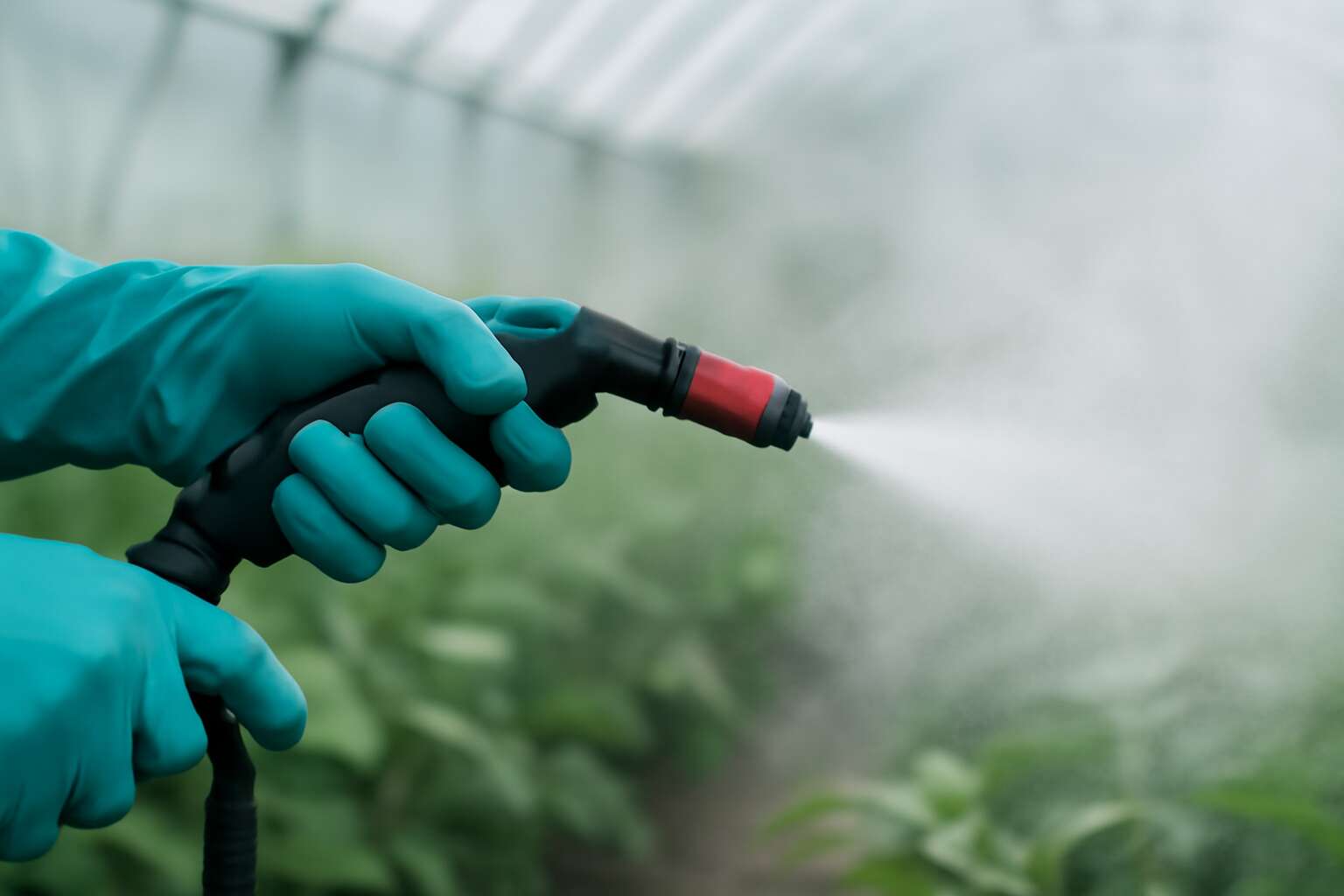
Glove role in chemical fumigation safety
Key protective features and barriers
Leathered shadows cling to the edges of the lab as I light a single lantern and remember a line I carry: gloves are the last line between us and poison. In chemical fumigation safety, fumigation gloves stand as the first line of defense against unseen vapors and caustic touch.
Their true strength lies in layered protections—materials that refuse to yield, seams that seal, and a design that favors both dexterity and vigilance.
- Chemical resistance across common fumigation solvents
- Puncture and tear resistance for rugged handling
- Grip-enhancing texture for precise control
- Flexible cuffs that seal at the sleeve edge
From South Africa’s veld and city warehouses, these guardians endure long shifts, defy heat, and keep the work humane rather than hazardous. They are the quiet sentinels that ensure safety wears a human face even when the air grows heavy with intent.
Chemical resistance and solvent compatibility
“Safety isn’t optional; it’s essential.” That stance defines fumigation gloves on SA sites. They shield hands from unseen vapours and caustic touch, keeping workers productive even as the air thickens. The glove is the quiet partner that makes hazard awareness real.
Chemical resistance and solvent compatibility drive selection. Fumigation gloves are tested against common fumigation agents and cleanup solvents, spanning polar and nonpolar families. Material choices—nitrile, neoprene, and specialty elastomers—balance barrier performance with dexterity for precise handling.
- Alcohols and ketones
- Hydrocarbons
- Chlorinated solvents
- Organic acids and bases
Across South Africa’s veld and city warehouses, these gloves endure long shifts and heat, keeping safety as a practical habit rather than an act of faith. Fumigation gloves stand ready when the job grows heavy.
Sizing, fit, and dexterity considerations
A glove that fits is a productivity multiplier; in South Africa’s bustling warehouses, comfort translates to fewer mistakes and safer handling. The glove role in chemical fumigation safety is to blend protection with tactile control, keeping fingers responsive even when vapours threaten numb sensation. fumigation gloves are more than a shield—they enable precise work under pressure.
Sizing and fit go beyond size labels. Measure hand width at the widest point and length from fingertip to palm, and check cuff closure. A snug fit around the knuckles preserves dexterity without sacrificing barrier performance. When possible, try different thicknesses and textures to balance grip with warmth for SA’s shifts. Consider a checklist:
- Range of sizes (XS-XL)
- Cuff length and elasticity
- Grip texture for dexterity
In practice, a better fit reduces fatigue and enhances control during handling of fumigation gloves. The result is steadier performance across long shifts and hot SA days.
Standards and certifications overview
In the theatre of fumigation safety, the glove is both shield and instrument. fumigation gloves are measured against chemical permeation and resilience, and partnerships with standards bodies ensure every seam keeps its vow. When a glove earns CE marking or ISO 9001 lineage, it signals more than protection—it signals trust.
- EN 374 chemical resistance and permeation testing
- CE marking and conformity assessment
- ISO 9001 quality management for consistent manufacturing
In South Africa’s shops and yards, this certification is a quiet assurance that gloves withstand real-world vapours and long shifts. We value these standards not as rigidity but as a map to safer work, where grip, comfort, and chemical guard converge.
Materials and construction
Common glove materials used in fumigation environments
Materials and construction shape how fumigation gloves endure exposure. In South Africa’s varied work sites, nitrile, neoprene, butyl, PVC, and natural latex are common. Nitrile offers solvent resistance and good grip; butyl stands up to aggressive gases; neoprene blends flexibility with abrasion resistance; PVC delivers durable, economical protection. The shell design—single or double layers with reinforced cuffs—determines comfort and endurance.
- Nitrile rubber: chemical resistance and grip
- Butyl rubber: impermeability to solvents
- Neoprene: flexible yet rugged
- PVC: durable, budget-friendly
- Natural latex: dexterous touch for moderate exposures
Seams, coatings, and liners finish the package, translating material strength into real-world reliability. When the job heats up, construction keeps safety close to the skin.
Liners for comfort and extended wear
A safety survey from last year shows 37% of fumigation teams report fatigue from gloves after a long shift, even when the chemical load isn’t extreme. Comfort isn’t a luxury—it’s a performance metric. That’s where fumigation gloves step in.
Materials and construction chase comfort with purpose-built liners. A breathable inner layer reduces sweat, while snug cuffs seal the deal against debris and drips. The right combo keeps dexterity intact during delicate, extended wear. With fumigation gloves, you feel the difference.
Here are liner options:
- Polyester knit liners – moisture-wicking and easy to wash
- Cotton jersey liners – soft touch and breathability
- Microfiber liners – enhanced comfort for all-day wear
- Thermal liners – extra warmth for early mornings
In South Africa’s varied sites, the shell and liner pairing matters more than brand bragging. It means fewer glove swaps, less downtime, and steadier grip through a long, dusty day.
Seam construction and grip reinforcement
Last year, 37% of fumigation teams reported fatigue from gloves after a long shift, even when the chemical load wasn’t extreme. Materials and construction aren’t afterthoughts here—they’re the quiet engines of performance. For fumigation gloves, the seam is where trust is stitched: it carries the load without pilling, and it keeps dexterity intact through long hours in SA’s dusty sites.
Seam construction and grip reinforcement are where durability meets dexterity. Consider these options to keep pace with a full day of work:
- Flatlock seams for smooth, all-day wear
- Overlock seams to resist pull-through at stress points
- Reinforced fingertips for tool control
Grip reinforcement blends texture, material science, and practical handling. Textured nitrile or polyurethane palms transform a shaky grip into confident control, while reinforced zones at the base of the thumb and fingers prevent wear. When you slip on fumigation gloves, you feel the difference—and the day stays steadier!
Durability and resistance to wear
In the field, finger fatigue is a quiet thief—last year, 37% of fumigation teams reported tired hands after a long shift, even when the load wasn’t extreme. Materials and construction aren’t afterthoughts; they’re the backbone of reliable fumigation gloves, the unseen engine of endurance.
Durable skins begin with the right compound and shell design. For South Africa’s dusty sites, engineers blend synthetic rubbers with tough fabrics and breathable liners to resist grit without dulling dexterity. Core strengths include:
- Abrasion resistance at high-flex zones
- Chemical compatibility with pesticides and solvents
- Thermal tolerance and puncture resistance for long days
When the right mix is chosen, the glove becomes a second skin—steady, decisive, almost supernatural in its reliability, letting you keep a fearless grip with less fatigue. That’s the power of good materials and construction in fumigation gloves.
Usage guidelines and safety
Donning and doffing techniques for safety
Fumigation gloves are more than gear—they are a moral boundary protecting hands and health in volatile environments. The usage guidelines marry practicality with caution: keep gloves clean, avoid cross-contamination, and replace if wear shows. In South Africa’s varied work sites, a disciplined approach to safety turns risk into routine.
- Preserve barrier integrity by noting any cracks or moisture before use.
- Respect chemical exposure potential and ensure fit remains uncompromised.
- Anchor safety through training, supervision, and adherence to site protocols during donning and doffing.
- Decontaminate or dispose of gloves in line with regulatory expectations if integrity is breached.
With these principles, frontline workers can focus on the work, not the worry, while gloves quietly uphold dignity and safety.
Hazards and exposure limits for fumigation tasks
On South Africa’s bustling field sites, a single spark of contact with harsh fumigants can alter a shift in an instant. Fumigation gloves stand between skin and hazardous vapours, a quiet shield that turns risk into routine—even when winds whip dust and time is tight.
Hazards linger in layers: chemical permeation, volatile vapours, and accidental splashes. Exposure limits are set by regulators and suppliers to guard health; the aim is to respect those ceilings while monitoring shifts in air quality and environmental conditions.
- Permeation risk and vapour exposure remain the silent adversaries in fumigation tasks.
- Adherence to regulatory exposure limits supports safe, compliant operations.
- Site protocols and proper PPE maintenance anchor consistent protection.
Usage principles stay practical and principled: preserve barrier integrity, maintain clean conditions, and align with training and site expectations. When gloves reveal wear, disposal and regulatory guidance ensure protection does not falter.
Storage, transport, and disposal best practices
On South Africa’s bustling field sites, one careless moment with fumigation gloves can ripple through a shift. They are the quiet guardians that keep hands protected long enough for work to continue, despite vapours, splashes, and the day’s relentless pace. In the shadows of corrugated roofs and dusty winds, protection feels less like a gadget and more like a daily pact.
Storage and transport should mirror the seriousness of the task: keep gloves in clean, dry spaces, away from direct heat and chemical vapours; handle with care to avoid puncture; and ensure disposal or repurposing follows regulatory paths so that protection remains intact beyond the current task. When the time comes to part with them, compliant, environmentally sound disposal keeps the site—and the people—protected, one glove at a time.
Maintenance and lifecycle
Cleaning and sanitizing methods
Across South Africa’s bustling fields and urban hubs, one in three fumigation crews reports glove damage mid-shift due to unseen wear. That disruption isn’t just annoying—it elevates exposure risk and costs time. A mindful maintenance mindset can stretch the lifecycle of fumigation gloves.
Gloves accumulate micro-tears and solvent residues as they flex under workloads. A lifecycle approach means regular visual checks, prudent rotation, and sensible storage. Well-kept fumigation gloves stay pliant, preserve grip, and resist early failure when it matters most.
- Store away from direct sun and heat
- Rotate pairs to share wear
- Inspect for signs of wear and replace
Cleaning and sanitizing should follow manufacturer guidance, avoiding harsh solvents that degrade the material. A gentle wash with mild detergent and thorough air drying are common practices, keeping protection intact without compromising comfort or dexterity.
Drying and storage conditions
Across South Africa’s fields and workshops, moisture and heat are the unseen saboteurs of performance. A disciplined maintenance mindset keeps fumigation gloves supple, grip-ready, and standing firm when shift pressures rise, turning fragile wear into reliable protection.
Drying and storage follow every cleansing. After use, air-dry the gloves out of harsh light and high temps, then store them in a cool, dry environment so fibers recover their shape and dexterity.
- Allow thorough air-drying by laying flat or hanging by the cuff
- Choose a breathable storage option to avoid trapped moisture
- Keep a clean, solvent-free area to prevent residue transfer
With this lifecycle discipline, fumigation gloves stay pliant and dependable when it matters most.
Inspection cues and replacement timing
Across South Africa’s fumigation season, downtime costs farms and workshops more than a moment’s delay. Proper maintenance of fumigation gloves is the quiet engine of safety, keeping dexterity intact as workload climbs.
- Visible cracks or punctures in the glove material
- Loss of elasticity or persistent stiffness
- Discoloration, staining, or chemical residues
- Separation at seams or degraded grip reinforcement
- Signs of liner compression or moisture ingress
Replacement timing aligns with the severity of wear and exposure history. When protective performance wanes, or after a defined service life, consider retiring the gloves. By maintaining this lifecycle discipline, fumigation gloves stay pliant, dependable, and ready when it matters most.
Reuse policies and recommended lifespans
Season after season, fumigation gloves earn their pension plan as much as their labor. A savvy maintenance and lifecycle approach treats them as seasoned workers, not disposable props, saving downtime when solvents bite and schedules tighten. When hands stay nimble, operations hum.
- Define service life per glove type and exposure history
- Rotate pairs to equalize wear and maintain performance
- Store and decontaminate in line with guidelines to extend usability
In South Africa’s fumigation season, these lifecycle policies keep fumigation gloves primed for the next heavy lift, preserving grip and protection when it matters most.
0 Comments