
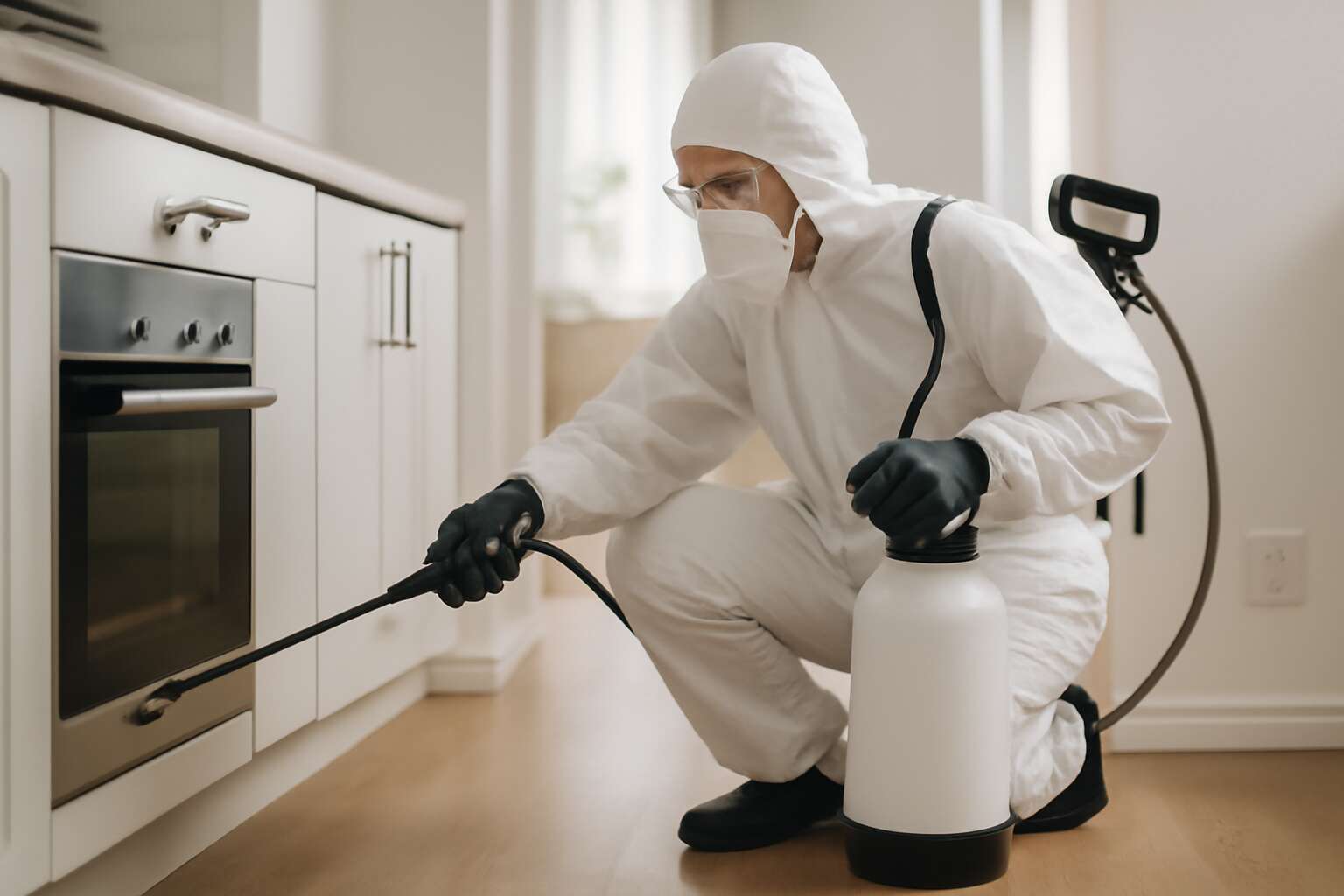
Understanding the Role of a Pest Control Technician
Overview of Pest Control Technicians
Every year, pest problems cost homeowners and businesses millions, yet few realise the vital role played by a pest control technician in safeguarding our spaces. These professionals are more than just spray-and-go experts; they are highly trained specialists who understand pest behaviour, ecology, and the most effective treatment methods. A pest control technician’s job involves assessing infestations, identifying pests, and tailoring treatments that are both effective and environmentally responsible.
Understanding the scope of their work reveals a blend of science and strategy. They often use advanced tools and techniques, such as baiting systems and eco-friendly pesticides, to ensure pests are eradicated without harming people or pets. Additionally, pest control technicians must stay updated with evolving regulations and pest resistance trends, making ongoing education a cornerstone of their profession.
- Inspecting and diagnosing pest issues
- Designing targeted pest management plans
- Applying treatments safely and effectively
- Providing advice on pest prevention
In essence, a pest control technician isn’t just about eliminating pests—they’re about creating safer, pest-free environments through expertise and dedication. Their role is crucial in maintaining the health and comfort of our homes and workplaces, often operating behind the scenes but with a significant impact.
Key Responsibilities and Daily Tasks
Every day, pest control technicians face a tapestry of challenges that require both finesse and scientific acumen. Their key responsibilities extend far beyond the simple act of spraying; they are detectives, strategists, and guardians of our living spaces. A pest control technician’s daily tasks often include meticulous inspection and diagnosis of pest issues, identifying the root causes of infestations, and selecting the most suitable treatment methods.
To ensure safety and efficacy, they carefully design customised pest management plans. These plans might incorporate eco-friendly pesticides, baiting systems, or integrated pest management techniques tailored to each unique situation. The technician’s role demands a delicate balance of knowledge, precision, and a commitment to environmentally responsible practices.
In addition, pest control technicians provide ongoing advice on pest prevention, helping clients understand how to maintain pest-free environments. Their work is a harmonious blend of science, strategy, and dedication—each task contributing to healthier, safer spaces for all.
Skills and Qualities of a Successful Technician
Every pest control technician is a guardian of clean and safe environments, wielding a unique blend of skills that transform them into modern-day sleuths. Their role demands more than just technical know-how; it requires a keen eye for detail, adaptability, and a passion for problem-solving. A successful pest control technician combines scientific understanding with practical experience to tackle even the most stubborn infestations.
Essential qualities such as analytical thinking, excellent communication skills, and a strong sense of responsibility set top-tier pest control technicians apart. They must be resourceful and confident in selecting the right treatment methods, often tailoring solutions to specific pests and environments. Their ability to remain calm under pressure and to educate clients about pest prevention is equally vital. By cultivating these skills and qualities, a pest control technician becomes a trusted partner in maintaining pest-free spaces, turning everyday challenges into opportunities for expert intervention and care.
Importance in Public Health and Property Preservation
In the silent battle against pests, the role of a pest control technician is nothing short of vital. Their work transcends mere eradication; it is a cornerstone of public health and a shield for property preservation. Every infestation they combat is a potential threat to well-being, capable of spreading disease and causing structural damage that can linger long after the pests are gone. The pest control technician’s expertise safeguards communities by intervening before minor issues escalate into crises.
Understanding the profound impact of their work reveals a deeper truth: pest control is about more than pest removal. It’s about protecting the integrity of our living and working spaces, preserving the safety of those inside. Their intervention not only halts immediate threats but also prevents future infestations through strategic pest management. This continuous vigilance is essential for maintaining a healthy environment, ultimately upholding the quality of life that many take for granted.
Education and Certification Requirements
Educational Background Needed
The pathway to becoming a proficient pest control technician is often as intricate as the pests they aim to manage. While a formal educational background isn’t always a strict prerequisite, a foundational knowledge of biology, chemistry, and environmental science can significantly elevate a technician’s efficacy. Many employers value candidates who have completed relevant coursework or possess a diploma in pest management, entomology, or related fields.
Educational requirements tend to vary by region and employer, but acquiring certification often entails rigorous training in pest identification, safety protocols, and environmental impact assessments.
- Completion of a recognised pest control technician training programme
- Knowledge of integrated pest management strategies
- Understanding of pesticide application laws and safety regulations
These elements are vital in cultivating the expertise needed to navigate the complex challenges faced by pest control technicians daily. Ultimately, a combination of education and dedicated certification ensures the technician’s readiness to address pests with precision, professionalism, and a keen sense of responsibility.
Necessary Certifications and Licenses
Becoming a skilled pest control technician isn’t just about knowing pests—it’s about mastering the legal and safety frameworks that keep everyone protected. Certifications and licences are the backbone of professionalism in this field. In many regions, a valid pest control technician licence is required before stepping into the field. These licences verify that the technician understands pesticide laws, safety protocols, and environmental impact assessments.
Most certification programmes demand rigorous training in pest identification and integrated pest management strategies. To earn your credentials, you’ll typically need to complete a recognised pest control technician training programme, which covers essential topics like chemical safety and pest behaviour. Often, a combination of education and certification not only boosts credibility but also ensures technicians can navigate complex scenarios with confidence and precision.
- Complete relevant coursework in biology, chemistry, or environmental science.
- Attend a recognised pest control technician training programme.
- Pass certification exams that test knowledge of pesticide application laws and safety regulations.
- Obtain ongoing education to stay current with evolving pest management practices.
In the end, these specific certifications and licences form the foundation that transforms a novice into a competent pest control technician, ready to handle pests efficiently and responsibly. This professional accreditation also reassures clients that they’re working with a qualified expert dedicated to safety and environmental stewardship.
Continuing Education and Training
In the bustling world of pest control, knowledge isn’t just power—it’s a requirement. A pest control technician’s education and certification journey resembles a quest for mastery, with ongoing training serving as the secret weapon for staying ahead of the ever-evolving pest landscape. If you thought a single certification was enough to conquer the pest world, think again! Continual learning ensures technicians stay sharp, informed, and ready to handle the latest pest threats with confidence.
Most professional pest control technicians will find that completing relevant coursework in biology, chemistry, or environmental science provides a solid foundation. But that’s just the beginning. Recognised pest control technician training programmes delve into pest behaviour, chemical safety, and integrated pest management strategies—think of it as a crash course in pest warfare. Passing certification exams then seals the deal, verifying that the technician understands pesticide laws and safety regulations inside out.
To keep their edge, pest control technicians often pursue ongoing education through seminars, workshops, and online courses. This continuous training ensures they’re well-versed in the latest pest control techniques and environmental protocols. Some programmes include:
- Advanced chemical application safety
- Emerging pest threats and management tactics
- Environmental stewardship and sustainable practices
In a field where pests are as unpredictable as the weather, the ability to adapt and learn is the true hallmark of a skilled pest control technician. After all, staying current isn’t just about professionalism—it’s about protecting public health and property with the finesse and expertise only continuous education can provide.
Tools and Equipment Used by Pest Control Technicians
Common Pest Control Tools
The arsenal of tools and equipment wielded by pest control technicians is nothing short of fascinating. These professionals rely on a carefully curated selection of advanced and traditional implements that enable them to combat pests effectively while prioritising safety and precision. Every pest control technician recognises that the right equipment can make the difference between a temporary fix and a long-lasting solution.
Among the essential tools are sprayers, dusters, and bait stations, which allow for targeted application of pesticides and deterrents. High-tech devices, such as ultrasonic repellents and thermal imaging cameras, exemplify how modern technology enhances pest detection and eradication strategies.
Common pest control tools include:
- Hand-held sprayers for spot treatments
- Foggers for comprehensive space coverage
- Protective gear such as gloves, masks, and suits to ensure safety during chemical handling
This combination of equipment underscores the specialised nature of a pest control technician’s role—requiring both technical skill and an understanding of ecological impacts. When executed with care and expertise, these tools serve as the technician’s bridge between science and service, ultimately safeguarding health and property.
Advanced Equipment and Technology
In the realm of pest eradication, the tools and equipment used by pest control technicians exemplify a fascinating blend of innovation and tradition. Modern technology has revolutionised pest control, transforming what was once solely reliant on chemical applications into a science-driven discipline that emphasises precision and ecological mindfulness.
Advanced equipment enhances the technician’s ability to detect pests with unprecedented accuracy. Thermal imaging cameras, for instance, allow pest control technicians to identify hidden infestations without intrusive probing. Ultrasonic repellents, though sometimes debated, represent a non-chemical approach that complements traditional methods by disrupting pests’ behavioural patterns.
Equally vital are the core implements—hand-held sprayers, foggers, and bait stations—that enable targeted and efficient treatment. These tools are often paired with protective gear such as gloves, masks, and suits, which are essential to ensure safety during chemical handling. The combination of high-tech devices and traditional tools underscores the specialised role of the pest control technician—one that demands both scientific knowledge and practical skill.
Safety Gear and Precautions
In the intricate dance of pest eradication, the tools and equipment wielded by pest control technicians are a testament to human ingenuity and ecological mindfulness. These professionals rely on a sophisticated arsenal—ranging from high-tech devices to time-honoured implements—to ensure pest populations are managed effectively and safely.
Protection is paramount, and safety gear forms the backbone of responsible pest control. Technicians don protective gloves, masks, and full-body suits to shield themselves from potentially hazardous chemicals and pests. This gear isn’t just about compliance; it embodies a commitment to health and safety, both for the technician and the environment.
To enhance precision, pest control technicians utilise an array of advanced equipment. Thermal imaging cameras, for example, enable the detection of hidden infestations without invasive procedures, while ultrasonic repellents provide a non-chemical approach to pest management. Traditional tools such as hand-held sprayers, bait stations, and foggers remain indispensable, allowing for targeted and efficient treatment.
- Personal protective equipment (PPE)
- Thermal imaging cameras
- Ultrasonic repellents
- Sprayers and foggers
- Bait stations
Ultimately, a pest control technician’s expertise lies in seamlessly integrating these tools with practical skills and scientific knowledge. It’s a profession rooted not just in eliminating pests but in safeguarding public health and preserving property—an intricate balance that demands both innovation and responsibility.
Types of Pests Managed by Technicians
Common Household Pests
Pest control technicians are the unsung heroes in the battle against household invaders. They handle a broad spectrum of pests that threaten health and property. Some pests are more common than others, but each requires specialised knowledge and targeted treatment.
Many households face issues with pests like ants, cockroaches, and spiders. These common household pests can quickly become a nuisance if left unchecked. Beyond the usual suspects, pest control technicians also manage rodents such as mice and rats, which pose health risks and can cause structural damage. Bed bugs are another persistent problem, often requiring precise treatments to eradicate fully.
- Ants
- Cockroaches
- Spiders
- Mice and rats
- Bed bugs
Each of these pests presents unique challenges, and a skilled pest control technician must tailor their approach accordingly. Their expertise is vital in maintaining safe, pest-free environments for families and businesses alike.
Commercial and Industrial Pest Control
In the bustling realm of commercial and industrial environments, pest control technicians play a crucial role in safeguarding businesses from invasive pests that threaten health, reputation, and operational efficiency. These professionals are adept at managing a diverse array of pests, each requiring a tailored approach to eradicate effectively. From food processing plants to warehouses, the scope of their expertise extends far beyond residential settings.
Some of the most common pests encountered include rodents like mice and rats, which can cause significant structural damage and transmit disease. Additionally, stored product pests such as beetles and weevils often infiltrate inventory, demanding precise treatment strategies. For facilities dealing with food safety, pest control technicians are especially vigilant against infestations of flies, moths, and cockroaches, all of which can compromise hygiene standards.
In high-stakes environments, pest control technicians might utilise advanced tools like bait stations, eco-friendly pesticides, and monitoring systems to ensure complete eradication. Their role is vital in maintaining pest-free spaces that uphold health codes and operational integrity—testament to their expertise and dedication in the fight against pests in commercial and industrial sectors.
Specialized Pest Management (e.g., termites, rodents)
When it comes to the world of pest control, not all pests are created equal—some are downright crafty, and others just plain nasty. A skilled pest control technician is like a pest whisperer, able to identify and manage a wide array of invaders that threaten both residential and commercial spaces. Among their most challenging foes are termites and rodents, each requiring specialised tactics that go far beyond a simple spray bottle and a prayer.
Termites, often called the “silent destroyers,” can cause extensive structural damage before anyone even notices their presence. Pest control technicians deploy advanced methods such as baiting systems and liquid soil treatments to keep these wood-loving pests at bay. Meanwhile, rodents like mice and rats aren’t just creepy—they’re disease vectors and potential property wreckers. Managing them requires a combination of trapping, baiting, and sealing entry points, all executed with precision and finesse.
In the arsenal of a pest control technician, you’ll find tools like ultrasonic deterrents, eco-friendly pesticides, and monitoring stations—each chosen based on the pest and environment. Their expertise extends across pest types, including beetles, weevils, and even elusive cockroaches, ensuring no pest is left unchecked. With a keen eye for detail and a knack for problem-solving, pest control technicians play a vital role in maintaining pest-free, safe spaces.
Best Practices in Pest Control Services
Integrated Pest Management (IPM)
Stepping into the realm of pest control, one quickly discovers that the art lies in balance—where nature’s delicate ecosystem meets human habitation. Best practices in pest control services hinge on the principles of Integrated Pest Management (IPM), a sophisticated approach that champions sustainability and precision. A skilled pest control technician employs IPM strategies to meticulously assess pest activity, identify the root causes, and implement targeted interventions that minimise chemical use.
This method involves a thoughtful blend of monitoring, habitat modification, and biological controls, which ensures the environment remains healthy while pests are kept at bay. By respecting ecological dynamics, the pest control technician transforms what could be a relentless battle into a harmonious coexistence. Such practices not only safeguard property but also preserve public health, making the role of the technician a vital thread in the fabric of community wellbeing.
Environmental and Safety Considerations
In the delicate dance of pest management, respecting our environment’s fragile equilibrium is paramount. A seasoned pest control technician approaches each task with a reverence for ecological integrity, ensuring that safety and sustainability take centre stage. Stringent environmental and safety considerations are woven into every strategy, transforming pest control from mere eradication into a harmonious act of stewardship.
To minimise impact, technicians often employ a thoughtful hierarchy of interventions. These include habitat modification, biological controls, and targeted monitoring, all designed to reduce chemical reliance. When chemical treatments are necessary, utmost care is taken to select eco-friendly products and apply them in a manner that safeguards both human health and non-target species. Such practices exemplify the technician’s commitment to a safer, cleaner environment.
In addition, adherence to safety gear protocols—like specialised gloves, masks, and protective clothing—ensures that pest control technicians operate within a cocoon of security. By integrating these environmental and safety considerations, pest control services transcend mere pest eradication, evolving into a practise that honours the delicate balance of nature while defending our homes and communities. It is this unwavering dedication that elevates the role of the pest control technician from service provider to guardian of public health and ecological harmony.
Treatment Methods and Applications
Effective pest management hinges on employing best practices that balance potency with ecological responsibility. A skilled pest control technician understands that precision treatment methods can make all the difference in safeguarding both property and public health. Whether targeting common household pests or more elusive threats like termites, the approach must be meticulous and adaptive.
Advanced applications often involve integrated techniques, combining chemical, biological, and physical strategies. For instance, techniques such as habitat modification and targeted monitoring reduce chemical reliance while enhancing long-term control. When chemical solutions are necessary, a pest control technician carefully selects eco-friendly products and applies them with surgical accuracy, ensuring minimal environmental impact.
- Assessment of pest activity and environmental conditions
- Implementation of targeted treatment plans
- Use of specialised tools and equipment for precise application
This methodical approach exemplifies the technician’s expertise, transforming pest control from a reactive measure into a sophisticated form of ecological stewardship. It’s a delicate dance that requires not just skill but an unwavering commitment to safety, sustainability, and effectiveness—hallmarks of a true pest control technician.
Customer Education and Communication
Effective communication and customer education are vital components of professional pest control services. A skilled pest control technician recognises that informing clients about pest behaviour, entry points, and prevention strategies fosters trust and promotes long-term pest management success. By explaining treatment plans clearly and addressing concerns transparently, the technician ensures the customer feels informed and confident in the process.
Building an open dialogue also helps set realistic expectations, reducing misunderstandings and enhancing satisfaction. During visits, the technician might employ visual aids or detailed reports to illustrate pest activity and control measures.
- Clear explanations of safety precautions and eco-friendly product use
- Guidance on pest prevention tips for homeowners and businesses
- Follow-up procedures and monitoring plans for ongoing pest management
This emphasis on customer education transforms pest control from a simple service into a collaborative effort. It underscores the technician’s role as an ecological steward, ensuring that every interaction reinforces safety, sustainability, and pest management efficacy.
Career Path and Opportunities for Pest Control Technicians
Advancement and Specialization
Embarking on a career as a pest control technician opens a gateway to diverse opportunities for professional growth and specialization. With demand for pest control services steadily rising, experienced technicians can diversify their skill set and carve out niche areas of expertise. Advancement often involves gaining additional certifications or specialising in areas such as termite management, rodent control, or environmentally sensitive pest solutions. These specialisations not only increase a technician’s value but also deepen their understanding of complex pest management strategies.
For those eager to ascend the career ladder, roles such as senior pest control technician or field supervisor offer increased responsibilities and leadership opportunities. Some professionals choose to pursue further education in entomology or environmental science, enabling them to work on research projects or develop innovative treatment methods. The landscape of pest control is constantly evolving, promising a dynamic career path for those committed to lifelong learning and mastery of their craft.
Employment Settings
In the realm of pest control technician careers, opportunities stretch far beyond the basic spray-and-pray approach. With the industry’s steady expansion—driven by increasing urbanisation and a heightened awareness of health hazards—there’s never been a better time to carve out a specialised niche. From working in diverse employment settings to climbing the career ladder, the scope for growth is as broad as a pest’s hiding spot.
Employment settings for pest control technicians are surprisingly varied. Some thrive in residential homes, tackling household pests with finesse, while others find themselves in bustling commercial environments—restaurants, warehouses, or offices—where pests threaten both health and reputation. Industrial sites, too, are prime territory, demanding a technician’s expertise in managing pests that can cause millions in damage.
- Residential pest control services, where technicians become the unsung heroes of peaceful living.
- Commercial pest control, safeguarding businesses from infestations that could shutter doors overnight.
- Industrial pest management, often involving advanced equipment and specialised techniques for large-scale issues.
Whether working solo or as part of a team, pest control technicians have the chance to specialise in areas like termite management, rodent control, or eco-friendly solutions. These roles not only boost earning potential but also deepen expertise, opening doors to supervisory or consultancy positions. The career path of a pest control technician is as dynamic as the pests they combat, offering continual opportunities for professional development and industry recognition.
Salary Expectations and Benefits
Embarking on a career as a pest control technician offers a world of opportunities—each step promising growth, specialisation, and increased earning potential. For many, this path begins with gaining experience in diverse settings, from residential homes to sprawling industrial complexes. As expertise deepens, so do prospects for advancement, whether into supervisory roles or specialised fields like termite management or eco-friendly pest solutions.
Salary expectations for pest control technicians can vary widely based on experience, location, and specialisation. Entry-level roles often start around £18,000 to £22,000 annually, but seasoned professionals or those with niche expertise can earn upwards of £30,000 or more. Benefits frequently include health insurance, paid training, and opportunities for overtime—rewards that reflect the industry’s recognition of technical skill and dedication.
Moreover, the industry’s continued expansion means that pest control technicians are increasingly in demand, especially in urbanising areas where pest problems become more complex. For those willing to stay ahead of the curve with ongoing training and certifications, the career landscape is ripe with possibility—each new challenge offering a chance to elevate one’s professional standing in the dynamic world of pest control.
How to Choose a Reliable Pest Control Service
Questions to Ask Before Hiring
Choosing a reliable pest control service isn’t just about finding the first name that pops up in your Google search; it’s about asking the right questions to ensure your home or business is in capable hands. A pest control technician’s expertise can make all the difference between a fleeting nuisance and a long-term solution.
Before hiring, consider inquiring about their licensing and certifications—these are the gold standard for ensuring professionalism. Don’t hesitate to ask about their experience with specific pests, especially if you’re dealing with a stubborn rodent or termite invasion.
To streamline your decision, prepare a list of questions. For instance, ask about their treatment methods, safety precautions, and if they provide guarantees or follow-up visits. Remember, a knowledgeable pest control technician will gladly answer these questions, demonstrating their commitment to effective and safe pest management.
Certifications and Insurance
When selecting a pest control technician, verifying their certifications and insurance coverage is an essential step that often goes overlooked. A reputable pest control service will hold valid licences issued by recognised authorities, confirming they meet rigorous standards of competence and professionalism. These certifications not only demonstrate adherence to industry regulations but also reflect a commitment to safe and effective pest management.
Insurance is equally important. A fully insured pest control technician protects you from potential liabilities arising from accidental damage or safety incidents during treatment. Without proper insurance, you could be held financially responsible for unforeseen mishaps. To put your mind at ease, consider asking the pest control service for proof of both licensing and insurance before proceeding. This simple step ensures your property is in capable hands and underscores their dedication to responsible pest control practices.
Customer Reviews and Ratings
Choosing a reliable pest control service can feel like navigating a labyrinth of promises and credentials. Customer reviews and ratings serve as your compass, shining a light on the experiences of others who have already walked this path. Genuine feedback from past clients offers invaluable insight into the pest control technician’s professionalism, effectiveness, and reliability.
Pay close attention to reviews that mention safety, punctuality, and respect for property — these are hallmarks of a trustworthy service. To streamline your decision-making process, consider focusing on pest control technicians with consistently high ratings across multiple review platforms.
- Look for detailed comments that describe specific pest issues and how they were resolved.
- Check for responses from the service provider, reflecting their commitment to customer satisfaction.
- Verify whether ratings are recent, ensuring the information reflects current standards.
In the realm of pest control, reputation isn’t just a badge — it’s a safeguard against subpar service. Trustworthy pest control technicians consistently earn glowing reviews, turning sceptics into believers and ensuring your home remains pest-free.
0 Comments