Sadie’s Pest Control is a Pest control service establishment in Durban, KwaZulu-Natal, South Africa
Durban
KwaZulu-Natal
South Africa
Sorry, no records were found. Please adjust your search criteria and try again.
Sorry, unable to load the Maps API.
Pest Control Services in Durban, KwaZulu-Natal
Durban, with its warm subtropical climate and coastal humidities, presents a distinct set of pest control challenges. Local service providers commonly address both residential properties and commercial premises, applying practical solutions to manage insects, rodents and other unwelcome intruders that can affect livelihoods, health and comfort. Techniques are typically chosen with consideration for humidity, temperature and the behaviour patterns of pests prevalent in this region.
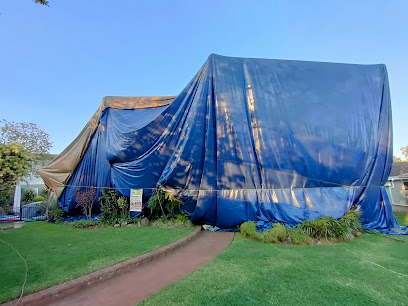
A broad range of pest control services is usually available. General pest control commonly covers ants, cockroaches, spiders and silverfish, with programmes designed to deter entry, reduce harbourage and eliminate active infestations. Termite management is often a priority in Durban, given the potential for structural damage in damp conditions; treatments may include soil barriers, refills of baiting systems or remedial treatments for affected timber. Rodent control is another key service, focusing on sealing entry points, trapping and baiting where appropriate, and advising on sanitation to reduce attractants. Mosquito control can involve larvicidal treatments in standing water and targeted fogging for outdoor areas during peak activity periods. In some cases, professionals also address birds, bird-proofing and nest management to protect buildings and signage. For stored products and food-related premises, store- and pantry-pest control helps avoid contamination and loss.
Commercial clients often require tailored programmes that align with industry standards and hygiene regulations. These may include regular maintenance visits, thorough inspections, and written treatment plans that document locations, products used, and outcomes. In retail outlets, hospitality venues and warehouses, service providers may combine exterior deterrence, interior diagnostics and sanitation guidance to minimise pest pressures between visits.
Residents and business owners can expect a structured process. An initial assessment typically involves a walk-through of the property to identify entry points, harbourage areas and food sources that sustain pests. Following the assessment, a customised plan is proposed, describing the products and methods to be used, the frequency of visits, and any preparatory steps required from occupants. Treatments may involve liquid residual sprays, baiting systems, dust formulations in wall cavities, or targeted applications for problem areas. In many cases, a combination of exterior and interior measures is employed to reduce recurrences and protect surroundings.
Safety and practicality are essential considerations. Most services prioritise the minimisation of risk to humans, pets and non-target wildlife, particularly in homes with children or domestic animals. Instructions regarding vacating spaces during treatment, airing afterwards and maintaining treated areas are commonly provided. Environmental considerations, such as the use of environmentally friendly products or reduced-toxicity options where appropriate, may influence the choice of treatment. Weather and seasonal patterns in Durban can affect scheduling and effectiveness, with higher outdoor activity in warmer months often requiring more frequent visits.
Customers should plan for reasonable access and cooperation during treatments. Clearing clutter, securing food and ingrained attractants, and noting potential hazards can enhance outcomes. Aftercare guidance, including sanitation practices and ongoing monitoring, helps sustain pest reductions between visits. While specific product names, prices or supplier affiliations are not universally specified, the emphasis remains on professional assessment, targeted treatment and adherence to safety norms.
Overall, pest control services in Durban aim to protect property, preserve hygiene and promote peace of mind by addressing the region’s unique climate-driven pest pressures with measured, practical approaches.