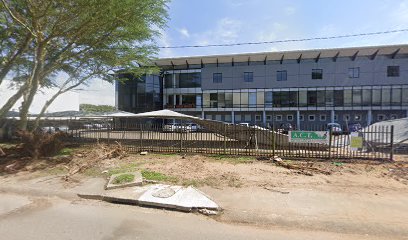
Ecolab (Pty) Ltd is a Pest control service establishment in Durban, KwaZulu-Natal, South Africa
Durban
KwaZulu-Natal
South Africa
Sorry, no records were found. Please adjust your search criteria and try again.
Sorry, unable to load the Maps API.
Pest control services in Durban, KwaZulu-Natal
Across Durban and the wider KwaZulu-Natal region, pest control services cover a broad range of mitigation and prevention options designed to protect homes, businesses and industrial facilities from common pests. Given the coastal climate and varying urban densities, local operators frequently tailor approaches to seasonal patterns, building types and potential environmental considerations. The result is a practical set of solutions aimed at reducing pest activity while preserving safety and comfort for occupants.
Typical offerings span preventive maintenance, standalone treatments and integrated pest management approaches. Core capabilities often include inspections to identify pest activity, entry points and potential harbourages, followed by a customised treatment plan. Treatments may involve targeted applications indoors and outdoors, with attention to high-risk areas such as kitchens, bathrooms, basements, roof spaces and external perimeters. In many instances, technicians combine physical, sanitary and chemical measures to minimise recurring problems and to address multiple species in a single visit.
Residential services frequently focus on domestic pests such as cockroaches, ants, rats and mice, spiders and various flying insects. In urban and peri-urban parts of Durban, termite monitoring and treatment frequently feature due to the risk to timber structures, while laundry rooms, kitchens and garden sheds may require additional vigilance. Businesses and retailers often demand more comprehensive programmes, including sanitation guidance, proofing against entry, heat or barrier treatments for sensitive premises, and regular visits to maintain a pest-free environment.
Seasonal considerations are important in KwaZulu-Natal. Humidity and rainfall patterns can influence pest behaviour and breeding cycles, affecting timing and frequency of visits. Technicians may implement preventive measures such as sealing gaps, improving drainage, and recommending routine cleanliness practices to deter future infestations. For kitchens and food preparation areas, emphasis is typically placed on hygiene standards and durable, easy-to-clean treatment zones to ensure compliance with safety expectations.
Customers can expect a professional assessment process that outlines the scope of work, the proposed products or methods, and any safety precautions. Clear communication about potential impacts on pets, children and household activities is common, with recommendations for temporary relocation or access restrictions during treatment if required. Post-treatment guidance often includes cleaning and monitoring instructions, a timetable for follow-up visits, and advice on reducing attractants to sustain long-term results.
Practical considerations include the selection of treatment methods appropriate to the property type, the presence of food preparation areas, and any local regulations governing pesticide usage. Environmental and health factors are typically weighed, with preference given to the least disruptive yet effective solutions. Some providers may offer seasonal programmes or annual plans that combine routine inspections with quick-response options for urgent pest issues. Insurance and licensing practices vary; prospective clients should verify relevant assurances and any guarantees offered by a chosen provider without relying on broad claims.
For commercial clients, a comprehensive approach often involves documentation of pesticides used, timing strategies to minimise disruption to operations, and collaboration with facilities managers to integrate pest control with existing hygiene and maintenance protocols. In all scenarios, the emphasis remains on practical, evidence-based actions designed to achieve rapid control, reduce re-infestation risk and maintain safe, hygienic environments across Durban’s diverse settings.
- Inspection and identification
- Exclusion and sanitation advice
- Targeted chemical and non-chemical treatments
- Termite monitoring and treatment where needed
- Rodent control and sealing of access points
- Ongoing maintenance and follow-up visits