
Can fumigation kill termites overview and key concepts
Introduction to termite fumigation and its purpose
Termites cost SA homeowners millions in damage each year, gnawing away at foundations while you’re busy arguing about furniture. It’s not a matter of if they strike—it’s when!
Can fumigation kill termites? In many cases, yes, but success hinges on species, infestation level, and how the fumigant is used to crack open every nook and cranny of a structure. For those wondering “can fumigation kill termites,” the answer isn’t a silver bullet—it’s a full-structure approach.
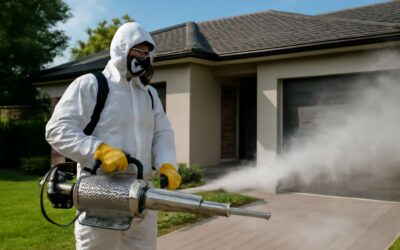
Termite fumigation uses a gas that penetrates wood, soil, and voids, sweeping across walls, beams and hidden galleries to reach colonies you can’t see. The aim is to wipe out entire populations rather than chase individual termites.
- Whole-structure reach: not just a single damaged beam
- Post-treatment checks: verification of treatment efficacy
- Effects on non-target organisms and indoor air quality
Understanding these key concepts helps homeowners weigh the fit of fumigation in a termite-management plan that suits South African homes and climates.
How fumigation kills termites and the science behind it
Darkness settles and the house seems to breathe. can fumigation kill termites? In many cases, yes—when we pursue the unseen, not merely the damaged. This isn’t a salvage job on one beam; it’s a structural rite that drapes the entire home in a gas, seeking every hidden colony.
Fumigation relies on a penetrating gas that moves through wood, soil, and voids, sweeping along walls and beams to reach concealed galleries. The science is diffusion and exposure—the gas must blanket the structure long enough to erase colonies that shelter within the grain’s labyrinth.
- Whole-structure reach over isolated spots
- Gas diffusion through tough timber and voids
- Climate and building design influence effectiveness
Within South Africa’s varied climates, this approach demands careful timing and professional oversight to maintain indoor air quality and protect non-target organisms.
When to consider fumigation for termite control
Termites move in the shadows, gnawing at a home while the visible rot is slow to reveal itself. In South Africa, termite damage costs homeowners millions each year, often hidden behind walls. The issue is a map of galleries, not a single beam, and fumigation seeks to confront it head-on.
Fumigation is diffusion—gas threading through voids, timber, and soil until every gallery feels its reach.
- Whole-structure reach
- Gas diffusion through timber
- Climate and design influence effectiveness
When to consider fumigation for termite control depends on depth and concealment. The question can fumigation kill termites is often answered by professional assessment, particularly for hidden colonies behind walls or under floors. In Africa’s diverse climates, timing and air clearance matter.
Fumigation vs tenting: what’s the difference
Termite galleries weave through walls and timbers, their routes hidden until damage finally speaks. To explore can fumigation kill termites, we examine diffusion—the gas threading through voids, timber, and soil until every chamber feels its reach.
Fumigation vs tenting: what’s the difference? Fumigation treats an entire structure in one breath, while tenting confines treatment to a sealed space beneath a tarp. The former seeks a holistic reach; the latter targets a specific area.
- Coverage: whole-building diffusion vs room-level targeting
- Timing: duration of application and air clearance
- Context: timber density, design, and climate considerations
Across South Africa’s diverse climates, structure design and soil conditions shape outcomes—context matters!
Common myths about termite fumigation and effectiveness
Termites weave quiet maps through timber, and damage often speaks louder than rumors. can fumigation kill termites? The answer belongs to diffusion—how a gas threads through voids, timber, and soil to reach hidden colonies.
Common myths and key concepts:
- Myth: fumigation guarantees instant termite elimination. Reality: diffusion takes time and depends on sealing and structure.
- Myth: there is no downtime after treatment. Reality: safety checks and air clearance shape when people can re-enter.
- Key concept: timber density, voids, and soil conditions govern how a gas travels and how well colonies are reached.
Across South Africa’s diverse climates, context—home design, timber density, and soil conditions—decides effectiveness more than any single method.
Fumigation methods and chemicals
Gas fumigation basics and the most common agents
Termite season stalks our homes with quiet patience, gnawing away at timber until a wall sighs in surrender. In South Africa, termite damage costs homeowners millions each year, a reminder of how swiftly silent pests can reshape a living space. People often wonder, can fumigation kill termites, and the answer hinges on timing, method, and professional oversight.
Gas fumigation basics require sealing the structure and filling the space with a fumigant to reach lethal concentrations for termites. The most common agents include:
- Sulfuryl fluoride (Vikane) — widely used for whole-structure fumigation; fast acting and effective across life stages.
- Methyl bromide — historically common but now heavily restricted for environmental reasons.
- Phosphine — used in some operations, especially where other options are limited; good penetration but requires careful timing.
- Chloropicrin — added as a warning agent to irritate and ensure safe evacuation during application.
Gas fumigation is powerful, but it is not a universal fix; it works best when conducted by licensed professionals who understand how to preserve structure integrity and minimize risk to occupants.
Sulfuryl fluoride (Vikane) and its role in termite control
Termites are stealthy, but Vikane isn’t shy about showing up where it counts. So, can fumigation kill termites? Sulfuryl fluoride (Vikane) is the go-to for whole-structure fumigation, delivering rapid, pervasive exposure that reaches termites wherever they hide.
In practice, Vikane’s strengths lie in its gas-state reach and ability to affect all life stages. The following considerations help frame its role:
- Requires thorough sealing and licensed oversight
- Occupants must vacate for the duration of treatment
- Safety protocols protect workers and residents
- Best suited for widespread, hidden infestations
Gas fumigation isn’t a one-size-fits-all fix, and can fumigation kill termites should be weighed against structure health and termite pressure. The method remains powerful when performed by licensed professionals who understand containment and safety.
Methyl bromide history and regulatory phase-out
Fumigation methods hinge on the gas used, building geometry, and termite pressure. Methyl bromide once dominated, delivering rapid, far-reaching exposure through voids and timbers. can fumigation kill termites? The modern picture shows rapid control with safer, more regulated options as methyl bromide is phased out under ozone rules.
Historical context and regulatory phase-out at a glance:
- Methyl bromide historically served as the main fumigant
- Regulatory phase-out under the Montreal Protocol and local controls
- Shifts to alternatives such as sulfuryl fluoride and phosphine-based products
In South Africa, licensed professionals oversee containment and compliance, balancing efficacy with safety and regulatory demands.
Other approved fumigants and their use cases
Fumigation methods hinge on the gas selected, the geometry of the dwelling, and the stubborn pressure of the colony. The question can fumigation kill termites is answered not by bravado but by precise sealing, rigorous monitoring and a choreography of permeability that leaves no hidden void unexposed.
- Phosphine-based fumigants for enclosed structures where ventilation is restricted—low odor, fast diffusion, and deep timber reach.
- Inert gas systems that displace air without chemical residues, suitable for occupied buildings or sensitive materials.
In South Africa, licensed professionals oversee containment and compliance, balancing efficacy with safety and regulatory demands. These teams tailor treatments to building geometry and termite pressure, ensuring that the remedy respects ozone rules and local guidelines.
Safety protocols and protective measures during fumigation
Under a pall of silence, the question ‘can fumigation kill termites’ hinges on more than bravado. Precision sealing, meticulous monitoring, and a choreography of permeability determine whether the gas penetrates every void. Fumigation methods and the chosen chemical envelope the dwelling, dictating reach and timing.
Before the cloud is released, safety protocols must be observed.
- Licensed professionals supervise containment and compliance.
- Site isolation, warning signs, and restricted access during treatment.
- Real-time gas monitoring and evacuation of occupants and pets as required.
- Post-treatment verification and ventilation before re-entry.
In South Africa, teams balance efficacy with safety and ozone rules and local guidelines. The framing is cautious yet confident: efficacy rests in the hands of professionals who respect space, life, and the law.
Effectiveness, scope, and limitations
Termite species and life stages affected by fumigation
Effectiveness and scope matter; fumigation reaches hidden nests inside walls, voids, and soil—places termites hide and multiply. In many South African homes, this breadth is essential because colonies often lie beyond obvious access points. We ask: can fumigation kill termites? When exposure covers the whole structure and targets susceptible species, active colonies are typically eliminated.
Termite species and life stages affected by fumigation vary, but the gas generally reaches nest zones where workers, soldiers, and alates operate.
- Workers
- Soldiers
- Alates (reproductive termites)
Eggs can be more resistant in some cases, and timing of the fumigation matters for overall impact.
Limitations include the need for a tight seal to contain the gas and ensure distribution; if a structure isn’t fully sealed, or termites live just outside the fumigation zone, effectiveness drops. Re-infestation from nearby colonies remains a risk, so fumigation is not a stand-alone solution.
Coverage area, house structure, and timing considerations
Termite damage costs South African homeowners millions each year, and fumigation is often the decisive act that stops a silent encroachment before timber fails. This approach penetrates deep voids and hidden nests behind walls, where colonies multiply unseen.
So, can fumigation kill termites? When coverage reaches all nest zones—where workers, soldiers, and alates operate—the active colonies are typically eliminated. Eggs can resist in some cases, and timing matters for the overall impact, especially with mixed species.
Limitations include the need for a tight seal to contain the gas; if a house isn’t fully sealed, or termites live just outside the fumigation zone, effectiveness wanes. Re-infestation from nearby colonies remains a risk.
- Coverage area: penetration of hidden nests in walls, voids, and soil
- House structure: building type and seal integrity
- Timing considerations: life cycles and exposure window
Evidence from scientific studies and field data on effectiveness
Effectiveness hinges on total coverage; can fumigation kill termites, and the answer hinges on reach. When the gas infiltrates every nest zone—workers, soldiers, alates—the colonies are typically toppled. Eggs can resist, and timing matters, especially with mixed species.
Scientific studies and field data support strong performance under full-zone fumigation, yet real-world results depend on structure, seal integrity, and how well voids and soil are penetrated.
- Complete access to hidden nests in walls, voids, and soil is essential.
- If the house isn’t fully sealed or nearby colonies lie outside the fumigation zone, effectiveness wanes.
- Eggs and early instars may survive if exposure windows are too short or cycles are incomplete.
In South Africa, field experience aligns with the laboratory tale: high success when conditions are pristine; caution remains for re-infestation from adjacent colonies and for nests that lurk beyond constructed zones.
Real-world success rates and factors that influence outcomes
Termite damage costs South African homeowners millions each year, making effective control a top priority. The key question: can fumigation kill termites. In practice, success hinges on total coverage; when the gas infiltrates every nest zone—workers, soldiers, alates—the colonies are toppled. Eggs can resist, and timing matters, especially with mixed species. Real-world results reflect how well voids and soil are penetrated and how complete the seal is around the structure.
Factors that influence outcomes include:
- Full-zone reach into walls, voids, and soil so no nest is missed
- Seal integrity and how well the structure is prepared
- Presence of adjacent colonies outside the fumigation zone
In South Africa, field experience aligns with the laboratory tale: high success when conditions are pristine, but caution remains for re-infestation from adjacent colonies and for nests that lurk beyond constructed zones.
Planning, costs, and post-treatment steps
Hiring a licensed professional and what to expect
One in five South African homes faces termite damage if left unchecked—a haunting statistic that makes planning essential. The big question is can fumigation kill termites when executed by a licensed pro, and the answer hinges on timing and expertise.
Planning covers structure-specific prep, access routes, and anticipated downtime. Costs vary with house size, whether furniture is moved, and the fumigation method chosen; expect quotes that itemize inspection, tenting, gas application, and post-treatment checks.
Post-treatment steps include waiting for safe clearance, airing out the space, and scheduling a follow-up inspection. You should receive a written plan, safety notes, and a warranty from the contractor.
Hiring a licensed professional and what to expect means you get compliance with South Africa’s regulations, a thorough pre-treatment assessment, clear downtime instructions, and a written plan that outlines coverage and guarantees. It feels reassuring and decisive!
Pre-fumigation prep checklist for homeowners
Planning centers on structure specifics, access routes, and the downtime you can expect. A thoughtful pre-fumigation prep checklist for homeowners helps keep everyone aligned with the goals. When homeowners ask can fumigation kill termites, the answer hinges on timing and the skill of the licensed pro.
- Access routes and structural prep
- Downtime expectations for occupants
- Documentation: written plan, safety notes, warranty
Costs vary with house size, whether furniture is moved, and the fumigation method chosen. Expect quotes that itemize inspection, tenting, gas application, and post-treatment checks—an approach common to reputable South African contractors.
Post-treatment steps include waiting for safe clearance, airing out the space, and a follow-up inspection. You should receive a written plan, safety notes, and a warranty from the contractor.
Cost factors, typical ranges, and budgeting tips
Planning for fumigation weaves structure knowledge, access routes, and downtime into one graceful map. Many homeowners ask can fumigation kill termites, and the answer hinges on timing and the licensed pro’s skill, guiding the treatment through hidden galleries and ensuring safety at every turn.
Costs vary with house size, furniture movement, and fumigation method chosen in South Africa. Budgeting considerations include getting itemized quotes and factoring downtime into the total. Expect quotes that itemize inspection, tenting, gas application, and post-treatment checks.
- House size and layout
- Furniture movement and storage needs
- Chosen fumigation method and gas type
Post-treatment steps include waiting for safe clearance, airing out the space, and a follow-up inspection. You should receive a written plan, safety notes, and a warranty from the contractor.
Scheduling, downtime, and impact on daily life
Planning for fumigation reads like a discreet map through shadowed corridors—structures, access routes, and downtime are laid as a single path. Homeowners ask: can fumigation kill termites, and the answer hinges on timing and the licensed pro’s skill.
- House size and layout
- Furniture movement and storage
- Chosen fumigation method and gas type
Costs in South Africa shift with house size, furniture movement, and fumigation method. Expect itemized quotes that cover inspection, tenting, gas application, and post-treatment checks.
Post-treatment steps include waiting for safe clearance, airing out the space, and a follow-up inspection. A written plan, safety notes, and a warranty should accompany the contract, ensuring clarity and protection as the home returns to normal.
Post-treatment inspection, certifications, and monitoring
Planning for fumigation starts with a practical map of a home’s size, layout, and access points. A licensed pro drafts a written plan, outlining the method, sequence, and expected downtime. Homeowners often ask can fumigation kill termites—the answer hinges on timing and skill.
Costs in South Africa vary with house size and the chosen method. Expect itemized quotes that cover inspection and post-treatment checks, with tenting or gas charges.
- Inspection and structural assessment
- Tenting or sealing of building
- Gas application and monitoring
- Post-treatment clearance tests
Post-treatment steps include waiting for safe clearance, airing out the space, and a follow-up inspection. The contract should provide a written plan, safety notes, and a warranty, with post-treatment monitoring and certifications.
- Official clearance assessment
- Ventilation as part of the process
- Structured follow-up inspection
- Post-treatment certifications and ongoing monitoring
Warranties, guarantees, and follow-up care after fumigation
Planning a fumigation isn’t a mystery novel; it’s a blueprint for termite-proof living. A licensed pro surveys your home’s size, layout, and access points, then drafts a written plan with method, sequence, and downtime. Homeowners often ask can fumigation kill termites, and the answer hinges on timely execution and skilled handling.
Costs in South Africa vary by house size and the chosen method. Expect itemized quotes covering inspection, tenting or sealing, gas charges, and post-treatment clearance tests. A transparent estimate keeps surprises at bay and the project on schedule.
Post-treatment steps and warranties form the safety net. After ventilation, a formal clearance assessment and structured follow-up inspections confirm success. Post-treatment certifications and ongoing monitoring provide lasting peace of mind, with warranty terms clearly spelled out in contracts so homeowners know what’s covered and for how long.
- Warranty terms
- Monitoring schedule
- Clearance certification


0 Comments