
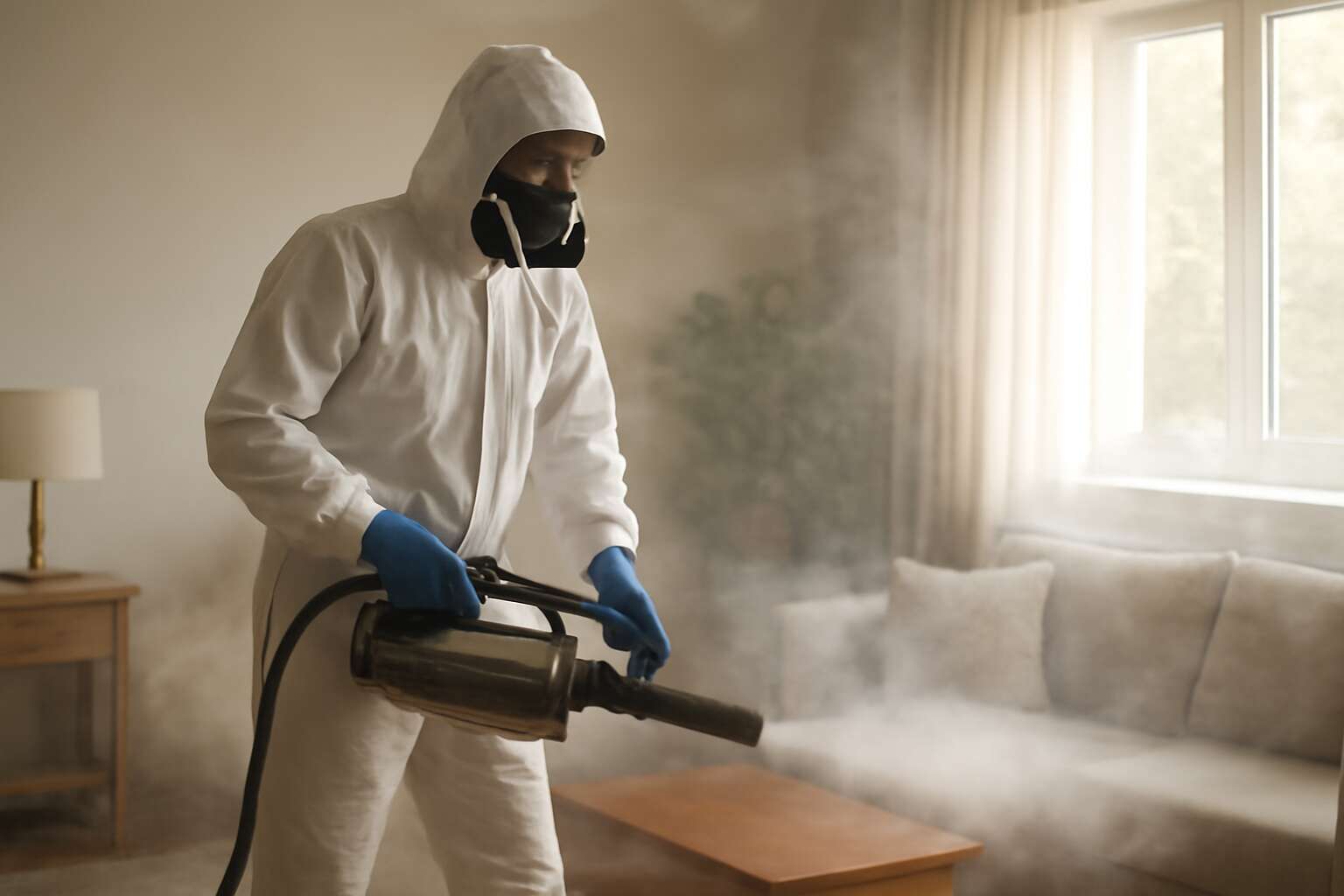
Comprehensive guide to fumigation usage decisions
Understanding fumigation fundamentals
Pests don’t wait for an ideal moment, and neither should your pest strategy. In South Africa, pests drive millions in losses across warehouses, stores, and homes each year, turning clean spaces into potential trouble. This guide navigates the terrain of fumigation decisions and helps answer when to use fumigation with clarity and care.
Understanding fumigation fundamentals means weighing pest pressure, life cycles, and site conditions. The right choice isn’t a reflex; it’s a calculated move that balances efficacy with safety and compliance.
Key decision factors include:
- pest species and infestation level
- structure type and occupancy
- local regulations and safety protocols
- time windows and logistical constraints
- post-treatment monitoring and reentry rules
As you consider these elements, a measured approach helps maintain operations while preserving product integrity. You’ll discover that when to use fumigation becomes less about fear and more about precise timing and control.
Evaluating when fumigation is appropriate
In South Africa, pests cost millions annually, gnawing at margins and morale. Behind every pristine shelf, a shadow lurks—threats that creep through warehouses, stores, and homes, turning order into a haunted ledger. This section narrows the moment to act with a compass that keeps operations steady and products intact.
This comprehensive guide to fumigation usage decisions asks a simple question: when to use fumigation. As readers walk this corridor, consider factors that shape timing rather than guesswork:
- Operational continuity and downtime risk
- Product and commodity sensitivity to treatment gases
- Facility design constraints and occupancy patterns
- Environmental impact and safety considerations
- Regulatory climate, licensing, and documentation requirements
- Post-treatment monitoring and reentry rules
Safety, regulations, and certifications
Safety, regulations, and certifications illuminate when to use fumigation in South Africa’s bustling warehouses and storefronts. Pests cost millions annually here, gnawing at margins and morale, but proper compliance turns risk into a routine risk-management exercise. The compass is clear: act only within licensed frameworks, with documented approvals, and a sober respect for human and environmental safety.
- Licensing and operator training requirements in SA
- Registration and responsible use of pest control products
- Accurate record-keeping and documentation
- Post-treatment monitoring and reentry rules
To navigate this terrain, observe the compliance touchpoints that back every decision.
In practice, the framework values transparency, traceability, and respect for occupants. It also aligns with South Africa’s environmental and workplace safety standards, ensuring that both product integrity and community health are safeguarded.
Planning, execution, and post-treatment steps
Pests cost millions annually in South Africa’s bustling warehouses, gnawing at margins and morale. A comprehensive fumigation usage decision is less about drama and more about disciplined risk management. Understanding when to use fumigation is the compass that keeps operations on an even keel, balancing efficacy with occupant safety and product integrity!
Planning centers on site-specific realities: infestation patterns, inventory turnover, and ventilation. It’s not about bravado; it’s about mapping risk, choosing compatible products, and aligning with regulatory expectations.
- Pre-treatment risk assessment and site zoning
- Product selection and compatibility with goods
- Regulatory and documentation checks
Execution emphasizes timing, controlled access, and clear communications. Signage, restricted reentry, and trained personnel help keep people safe while preserving product quality.
Post-treatment steps focus on aeration, reentry monitoring, and meticulous record-keeping so the next audit doesn’t become a surprise plot twist.


0 Comments