
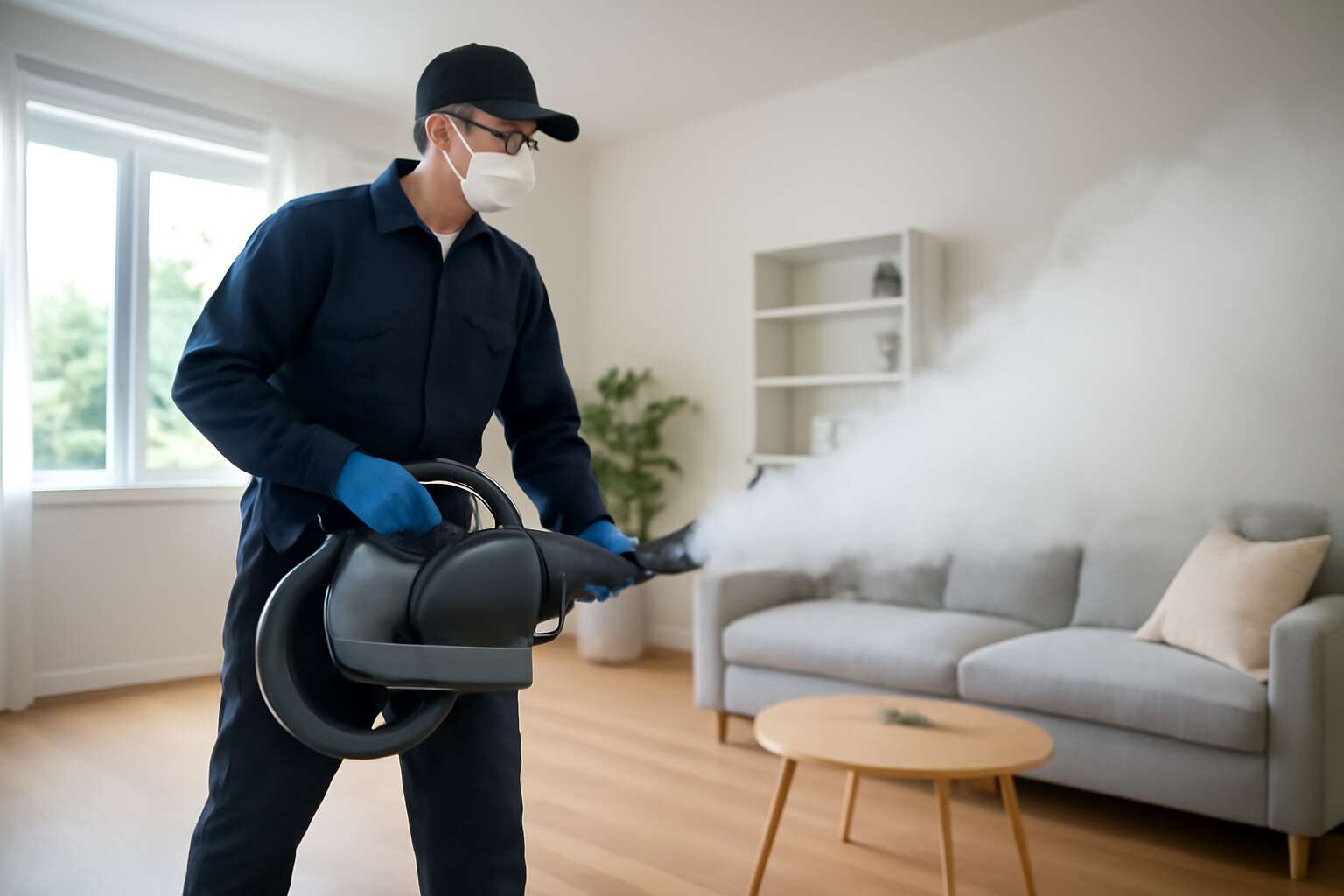
Understanding Fumigation Without Tenting
Overview of Non-Tent Fumigation – Introduction to the concept and basic methodology of fumigation without tenting
In rural South Africa, where traditional pest control methods are often challenged by the sheer difficulty of access and the need for efficient solutions, fumigation without tenting has emerged as a game-changer. Unlike conventional approaches that rely on full structures to be covered in heavy fabric, this innovative method sidesteps the need for large-scale tenting, making it a practical choice for both homeowners and farmers. It offers a more targeted, less invasive, and often more cost-effective way to tackle stubborn pests. The basic methodology involves carefully sealing the affected space and introducing a potent yet controlled fumigant that permeates every corner effectively.
Many pest control professionals now favor this approach because it minimizes disruption while maintaining high efficacy. Simplified yet thorough, fumigation without tenting involves techniques such as using portable foggers or pressurized gas systems to deliver the treatment. For instance, instead of enclosing an entire structure, they focus on specific areas like stored grain silos or small dwellings. This method not only reduces the time and effort involved but also ensures the safety of nearby inhabitants, which is especially vital in rural communities where pest infestations can threaten crops and homes alike.
Advantages Over Traditional Tenting – Benefits such as time efficiency, cost savings, and reduced property impact
Fumigation without tenting has fundamentally changed how pests are managed, especially in rural South Africa. One striking advantage is the significant reduction in time required for treatment. Unlike traditional tenting, which can take days to set up and dismantle, fumigation without tenting often wraps up within hours, minimizing disruption to daily life and agricultural cycles.
This method also proves much more cost-effective. By eliminating the need for heavy, expensive fabric structures, both homeowners and farmers save on materials and labor. Furthermore, fumigation without tenting is gentler on properties—there’s no risk of structural damage or wear and tear from large-scale tents. The focus on targeted application means fewer resources are wasted and the environment benefits from more precise treatment.
In essence, fumigation without tenting is an innovative approach that combines efficiency, affordability, and environmental mindfulness. As pest control professionals increasingly favor this technique, it’s clear that traditional fumigation methods may soon be a thing of the past for many rural communities in South Africa.
Common Applications and Use Cases – Situations and property types where tentless fumigation is most effective
Fumigation without tenting has carved a niche in the landscape of pest management, especially in the diverse tapestry of South African life. This technique proves especially potent when dealing with properties where traditional tenting may be impractical or disruptive. From sprawling rural farms to intimate homes nestled among the bushveld, the application of fumigation without tenting opens new doors of possibility.
This method finds its strongest foothold in situations where speed is essential, and access is limited. Agricultural settings, for instance, benefit immensely—requiring swift intervention during harvest season or before planting, where delays are costly.
- Fruit orchards ripe for treatment without dismantling entire trellises,
- Warehouse storerooms bustling with stock,
- Residential homes needing rapid pest eradication,
all become ideal candidates for this innovative approach.
In essence, fumigation without tenting is a strategic weapon, especially suited for diverse property types seeking effective pest control without the chaos and expense of traditional methods. Its versatility, combined with minimal invasion, makes it an increasingly favored solution across South Africa’s vibrant rural communities and urban landscapes alike.
Methods and Techniques for Fumigation Without Tenting
Surface Sprays and Dips – Use of chemical solutions applied directly to infested areas
In the realm of pest control, the idea of fumigation without tenting has moved from a niche innovation to a reliable alternative that challenges conventional practices. This approach hinges on the precise application of surface sprays and dips—methods that unleash targeted chemical solutions directly onto infested areas. Unlike the sprawling process of tenting, this technique demands an intricate understanding of pest behavior and chemical interactions, transforming a mundane task into an art form rooted in scientific finesse.
By deploying chemical solutions as surface sprays, technicians can infiltrate cracks, crevices, and fabric of infested environments with surgical precision. These sprays, formulated to adhere and penetrate even the most stubborn pest hideouts, offer a strategic advantage—minimizing property disruption while maximizing efficacy. In some cases, dips—where objects like furniture or valued artifacts are submerged briefly in specialized solutions—serve as focused interventions that eradicate pests nestled deep within complex interiors. This meticulous application of chemicals underscores the sophistication of fumigation without tenting, making it suitable for quick turnaround situations and sensitive environments.
*The key to success in fumigation without tenting lies in understanding the surfaces and pests involved:*
- Surface sprays are ideal for widespread infestations in exposed areas, facilitating rapid coverage without the need for significant structural intervention.
- Dips provide controlled, high-concentration treatment for items that cannot be easily moved or redesigned.
- Precise application ensures minimal chemical wastage and reduces exposure risks, creating a safer environment for both residents and technicians.
It’s a delicate dance—balancing chemical potency with environmental safety—one that requires careful planning and execution. When done with expertise, fumigation without tenting becomes not just a method of pest eradication but a testament to modern pest management’s adaptability and finesse, particularly suited to the diverse architectural landscape of South Africa. The profound effectiveness of this approach underscores its rising prominence, transforming gentle yet relentless pest suppression into an art form worthy of respect and admiration.
Gaseous Fumigants in Open Spaces – Employment of gas agents in open or semi-enclosed environments without tenting
In the intricate dance of pest control, the employment of gaseous fumigants in open or semi-enclosed environments embodies a delicate balance of science and precision. Fumigation without tenting harnesses the power of gas agents that penetrate pest hideouts with surgical accuracy, all while maintaining the integrity of the surrounding environment. This method is especially formidable in situations where traditional tenting is impractical or disruptive—think sensitive interiors or urgent infestations.
The key to success in gaseous fumigation without tenting lies in understanding the specific properties of the pest and the characteristics of the space. Precise atmospheric control, coupled with expert application, ensures maximum efficacy with minimal chemical wastage and exposure risk. Modern techniques often involve deploying gas agents in open spaces, utilizing controlled release systems that allow the gas to diffuse evenly and target pests effectively.
Why does this approach stand out? Because it offers a safer, faster, and more flexible alternative for tackling complex infestations. Its strategic application in South Africa’s diverse architectural landscapes underscores a sophisticated mastery of pest management that values both human safety and environmental integrity.
Pre-Remedial Encapsulation – Sealing specific areas to contain fumigation agents temporarily
Effective fumigation without tenting often hinges on meticulous preparation. Sealing specific areas is a strategic step that contains the fumigation agents, ensuring they work precisely where needed while limiting exposure to the surrounding environment. This technique allows pest control professionals to target infestations in sensitive or hard-to-access spots without disrupting entire buildings.
One popular method involves deploying pre-remedial encapsulation, where careful sealing of windows, vents, and doorways creates a temporary barrier. This ensures the fumigation gases remain concentrated in the targeted zone, significantly enhancing efficacy. In many cases, using flexible elastic seals or plastic sheeting provides a tight barrier that is both affordable and easy to apply, especially in irregularly shaped spaces.
Additionally, employing advanced controlled release systems enables the gas to diffuse evenly throughout the designated area. Using precise atmospheric control, applicators monitor gas concentration levels constantly, balancing potency and safety. This allows for a safe, effective fumigation without tenting—especially valuable in environments with delicate structures or sensitive occupants.
- Seal all access points such as vents, doors, and windows with durable film or tape.
- Deploy controlled release systems fitted with sensors to monitor gas flow and concentration.
- Maintain constant communication with environmental sensors to adjust release rates dynamically.
Fumigation without tenting is a sophisticated approach that combines strategic sealing techniques and modern technology. Its flexibility and efficiency make it a sought-after solution in South Africa’s diverse architectural landscape, where traditional methods might be impractical or too disruptive.
Innovative Technologies – Emerging tools and methods such as vapor misting and injection systems
Innovation continues to redefine pest control, especially in the realm of fumigation without tenting. Emerging technologies like vapor misting and injection systems are revolutionizing how professionals tackle infestations in a variety of environments. These methods offer precise, targeted delivery of fumigants, minimizing disruption while maximizing efficacy.
Vapor misting, for instance, disperses fine aerosols that penetrate cracks and crevices where pests hide. This technique allows for thorough coverage, even in intricate architectural spaces, without the need for extensive sealing. Meanwhile, injection systems utilize specialized probes to introduce gas directly into infested materials or confined areas. This is particularly effective in structures where traditional tenting might be impractical or too invasive.
- Vapor misting creates a uniform, fine mist that ensures thorough penetration.
- Injection systems target hard-to-reach zones with surgical precision.
- Advanced sensors monitor gas concentration in real-time, maintaining optimal levels for safety and effectiveness.
Employing these innovative tools not only reduces the logistical hurdles of fumigation without tenting but also enhances safety for occupants and the environment. As technology advances, fumigation professionals are better equipped than ever to deliver discreet, effective cleanup—making the future of pest management in South Africa both sophisticated and sustainable.
Safety and Environmental Considerations
Handling Fumigation Chemicals Safely – Proper procedures for storage, application, and disposal of chemicals
Handling fumigation without tenting demands a rigorous approach to safety and environmental stewardship. These chemicals are potent, and mismanagement can lead to serious health and ecological consequences. Proper storage is essential — chemicals must be kept in secure, clearly labeled containers, away from children, pets, and food sources. When applying these agents, always wear personal protective equipment (PPE) such as masks, gloves, and eye protection. This minimizes the risk of chemical exposure during fumigation without tenting.
Disposal procedures are equally critical. Unused or residual chemicals must be disposed of according to local regulations to prevent groundwater contamination or soil degradation. It is crucial to avoid runoff or accidental spills during application, which can harm the environment. The precise use of fumigation chemicals, combined with adherence to all safety protocols, ensures a responsible process that protects both workers and the surrounding ecosystem.
Environmental considerations should always take precedence. Opt for eco-friendly fumigation chemicals when possible, and ensure adequate ventilation after treatment. Regular training on handling instructions and emergency procedures supports safe chemical use and reinforces best practices for fumigation without tenting.
Protecting Humans and Pets – Measures to ensure safety of occupants and pets during and after fumigation
In a landscape where pest control is often seen as a necessary intrusion into our sanctuary, safeguarding humans and pets from chemical hazards becomes paramount, especially during fumigation without tenting. The unseen threat lurks in the potency of fumigation chemicals, making vigilant safety measures not just prudent but essential. Approaching fumigation without tenting requires a meticulous balance — respecting the potency of chemicals while prioritizing health, both within the sacred space of homes and the vibrant life of pets.
During and after the process, it is crucial to implement strict safety protocols, including the evacuation of occupants and pets, and thorough ventilation to dissipate residual fumes. Employing protective gear—masks, gloves, and eye protection—helps mitigate exposure risks for fumigation operators. An unintentional spill or runoff can have far-reaching ecological repercussions, emphasizing the importance of controlled application and disposal in accordance with local regulations.
To ensure ongoing safety, consider
- restricting access areas until they are completely safe
- using eco-friendly fumigation chemicals whenever possible
and maintaining open communication with residents. These steps, combined with a comprehensive understanding of the environmental impacts, make fumigation without tenting not only effective but responsible. Ultimately, respecting the delicate intersection of health and environment when handling these potent substances embodies true stewardship in pest management.
Environmental Impact and Regulations – Understanding local laws, eco-friendly alternatives, and minimizing environmental damage
In a landscape increasingly mindful of ecological footprints, the art of fumigation without tenting emerges as a harmonious convergence of efficacy and responsibility. As nations tighten regulations surrounding chemical application, understanding local laws becomes the first step on this conscientious journey. South Africa’s regulatory tapestry demands that pest control practitioners adhere to strict guidelines that govern chemical use, application points, and disposal methods. Navigating this labyrinth ensures that fumigation without tenting does not become an environmental trespass but a testament to sustainable stewardship.
Eco-friendly alternatives beckon the discerning professional—biological agents, plant-based repellents, and low-toxicity substances—serving as noble substitutes that minimize environmental damage. These green innovations do more than protect the delicate balance of our ecosystems; they preserve the sanctity of human habitats while delivering pest control prowess. In this pursuit, the implementation of controlled application strategies is essential. A simple yet profound principle guides this effort: less is more, when precision reigns and ecological reverence guides every decision.
Furthermore, adhering to regulations involves meticulous planning.
- Strictly controlling the dispersal of chemicals
- Monitoring residual effects post-treatment
- Ensuring proper disposal and storage
These endeavors serve as bulwarks against unintended ecological repercussions. When executed with integrity, fumigation without tenting transforms from a mere process into a craft that respects both environment and human well-being. It epitomizes the delicate dance of pest eradication—a ballet where science, responsibility, and harmony waltz seamlessly across the stage of sustainable pest management in South Africa.
Personal Protective Equipment – List of necessary gear for technicians and residents
Fumigation without tenting demands a rigorous approach to safety for both technicians and residents. Personal Protective Equipment (PPE) is the first line of defense against potential chemical exposure. Proper gear not only safeguards health but also reinforces professionalism in this delicate process.
For technicians, PPE typically includes chemical-resistant gloves, respiratory masks with appropriate filters, protective goggles, and full-body suits. These items ensure that every inch of exposed skin and respiratory pathways are shielded during chemical application. Residents, on the other hand, should be advised to vacate treated areas and avoid direct contact with any residual chemicals.
- Respirators or masks capable of filtering fumes
- Chemical-resistant gloves to prevent dermal contact
- Safety goggles or face shields for eye protection
- Full-body suits, especially when handling potent fumigants
While fumigation without tenting minimizes disruption, safety remains paramount. Proper handling protocols, combined with this essential PPE, ensure that the process is both effective and ecologically responsible, reducing risks for everyone involved and safeguarding the environment from unnecessary exposure.
Steps to Prepare for Fumigation Without Tenting
Inspection and Assessment – Identifying pest issues and determining if tentless fumigation is suitable
Before embarking on a journey into the realm of fumigation without tenting, one must first harness the power of careful inspection and assessment. Imagine peering into the shadowy corners of a property, seeking the subtle telltale signs of pest intrusion—tiny droppings, chewed wiring, or mysterious webbing. This initial stage is an essential rite of passage, guiding the decision on whether tentless fumigation is the appropriate remedy. For properties delicate or constrained in space, this method often offers a swift, less invasive alternative to traditional tenting solutions.
During inspection, it’s wise to evaluate the extent of infestation and the specific pest species involved. Sometimes, localized surface sprays or targeted gaseous fumigants suffice to dispel unwelcome guests without enveloping the entire structure. A comprehensive assessment ensures that fumigation without tenting remains safe, effective, and environmentally considerate, aligning with both regulatory requirements and eco-conscious practices prevalent in South Africa. Only after this detailed evaluation can the expert determine if the chosen tentless approach will bring peace back to your living or working space, free from pests and consistent with a sustainable ethos.
Property Preparation – Clearing the area, sealing entries, and other necessary preparations
Preparing your property for fumigation without tenting is a delicate dance—one that demands precision and forethought. In South Africa’s bustling urban landscapes and sprawling countryside, pest issues can strike unexpectedly, and swift action is crucial. Proper preparation ensures the chemical agents work effectively while safeguarding your family, pets, and the environment.
Start by clearing the area—vacuuming floors, removing furniture, and storing food. Sealing all entry points like gaps around windows, doors, and vents is paramount; this helps contain the fumigation agents and prevents any accidental leaks. For added security, you might consider installing temporary encapsulation around targeted zones, which acts as a barrier during treatment.
In many cases, a simple fumigation without tenting involves the strategic use of surface sprays and targeted gaseous fumigants. These techniques require meticulous sealing of specific problem areas, such as cracks or holes, to maximize efficiency. Remember, achieving a balance between containment and safety is essential—this is what makes tentless fumigation a compelling choice for modern pest control in South Africa’s eco-conscious landscape.
Scheduling and Professional Consultation – Choosing the right timing and working with licensed fumigation experts
Timing is everything when scheduling fumigation without tenting. Choosing the right moment can mean the difference between a successful pest eradication and prolonged disruption. Opt for a period when pest activity peaks—typically warmer months—so that the fumigation agents can target the pests most effectively. Additionally, consider the weather forecast; avoiding rain or high winds helps contain the chemicals and enhances safety.
Partnering with licensed fumigation experts in South Africa isn’t just a good idea—it’s essential. Professional technicians bring the expertise to assess your property’s unique needs, ensuring fumigation without tenting is executed safely and effectively. They understand local environmental regulations and have access to advanced equipment, making the process seamless. Moreover, a reputable pest control company will schedule the treatment at a time that minimizes inconvenience for you and your family.
To streamline the preparation process, consider these key steps:
- Consult with a licensed pest control professional to determine the optimal timing and method for your property.
- Arrange the treatment date that aligns with your schedule, ensuring all precautions are manageable and safe.
By prioritizing expert guidance and careful scheduling, fumigation without tenting becomes a precise and responsible solution—protecting your property while safeguarding the environment and your loved ones from unnecessary exposure.
Post-Fumigation Safety Measures – Ventilation procedures, residue checks, and returning to the property
Post-fumigation safety measures are crucial to ensure that your property is truly protected and safe for inhabitants once the process concludes. Ventilation procedures, residue checks, and careful return protocols form the backbone of responsible fumigation without tenting. Properly ventilating the treated areas allows residual chemicals to dissipate, reducing the risk of inhalation exposure. This often involves opening windows, doors, and utilizing high-powered fans for a few hours—sometimes longer if recommended by your fumigation specialist.
Residue checks should never be overlooked. Licensed pest control professionals typically perform these tests with specialized detection tools to verify that all chemical traces are within safe limits. Only once clearance is confirmed can you consider re-entering the property. Remember, patience is key; rushing this step increases the risk of exposing yourself or your loved ones to residual chemicals.
- Ventilate thoroughly, ensuring fresh air circulates throughout the treated space.
- Perform chemical residue checks with qualified personnel.
- Gradually reintroduce residents and pets, ideally during daylight hours.
When returning, it’s wise to monitor for any lingering odors or signs of chemical presence, maintaining an extra level of caution. These post-fumigation safety measures underscore how importance is placed on every detail—making fumigation without tenting a safe, effective process that safeguards your health and property integrity.

0 Comments