
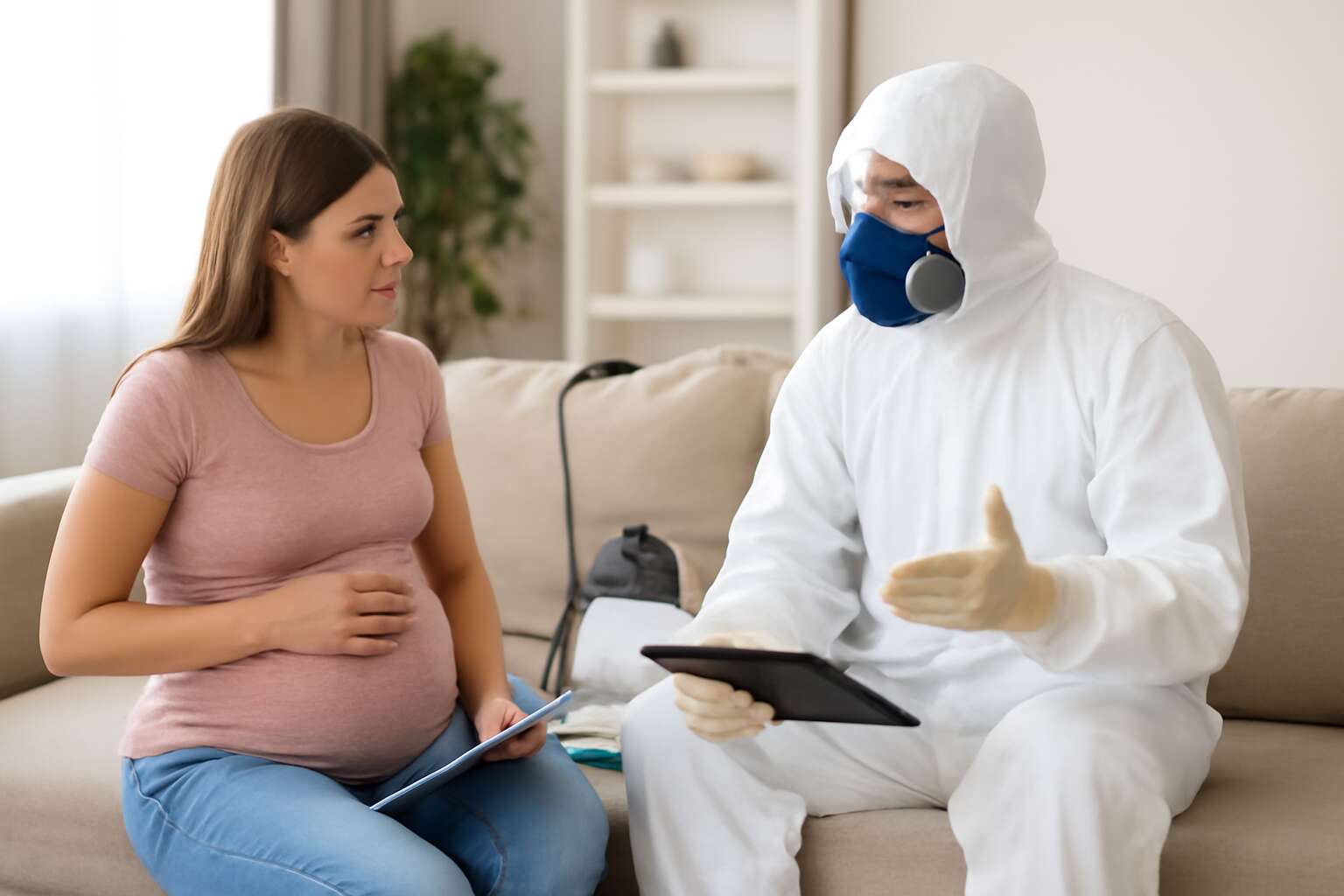
Overview of fumigation during pregnancy
Health risks and safety considerations
A trusted obstetrician once said, ‘Pregnancy is a season for gentleness and careful decisions’—and fumigation when pregnant is exactly that kind of decision. Fumigation uses potent gases to purge pests from homes and farms, a practice both ancient and modern. In South Africa’s varied climates, the choice to fumigate should harmonize pest control with maternal safety, avoiding haste and embracing quiet, informed preparation.
Health risks and safety considerations swirl like a cautious mist. Inhalation of fumigants can irritate airways and, in some cases, raise concerns for fetal development. Keeping exposure to a minimum and weighing alternatives—where possible—forms the heart of responsible pest management during pregnancy. The following considerations arise naturally: Let prudence light the path!
- Air quality and exposure duration
- Availability of safer treatments or non-chemical options
- Close coordination with pest-control professionals and healthcare guidance
Common fumigation methods used in homes
Pest control can feel intrusive, yet pregnancy changes the calculus. In South Africa, fumigation relies on gases to purge pests, demanding careful timing and sealed spaces. Common home methods include gas fumigation with phosphine or sulfuryl fluoride and whole-space fogging.
- Gas fumigation with phosphine or sulfuryl fluoride
- Thermal fogging to disperse a fine pesticide mist
- Targeted baits and spot treatments as non-venting options
During pregnancy, choosing how to proceed means weighing air quality, exposure duration, and the availability of safer options. Close coordination with pest-control professionals and healthcare guidance helps align pest control with maternal safety, especially when considering fumigation when pregnant.
The aim is informed preparation rather than haste, with a candid assessment of risks and alternatives.
Why pregnancy changes exposure risk
Air safety in pregnancy is non-negotiable. “Safety matters most,” a local obstetrician insists, and the line sticks with expectant families facing pest concerns.
Pregnant bodies show heightened sensitivity to airborne chemicals. Inhaling residues during the final months can affect both mother and developing foetus, especially in tightly sealed South African homes where pests and treatments overlap in living spaces.
For fumigation when pregnant, the aim is informed preparation and professional oversight rather than haste. Coordinate with pest-control experts and healthcare guidance to weigh options and protect air quality while pests are managed.
- Professional oversight
- Clear product information
- Post-treatment monitoring
Health impacts on pregnancy from fumigation exposure
Effects on fetal development
“What you breathe today shapes tomorrow.” That quiet question finds a home in South African kitchens and clinics when we discuss fumigation when pregnant. The phrase invites a careful pause, because early life is shaped by air, timing, and the gentlest of chemical whispers.
Exposure can nudge fetal development in delicate ways. Even brief contact with fumes during critical windows may influence organ formation and the rhythm of growth, with subtle echoes that can accompany a child into later years.
Possible areas of concern include:
- altered neurodevelopmental timing
- growth trajectory shifts
- subtle metabolic changes
Risks of inhalation and skin contact
What you inhale today can echo in your baby’s tomorrow, and I’ve seen how that quiet air shapes evenings at home. In South African homes, the hush of a fumigation session often passes without notice, yet a pregnant person carries an amplified sensitivity to airborne chemicals.
Exposure risks include inhalation and skin contact; fumes can irritate airways, trigger headaches, nausea; skin contact can cause dermatitis!
- Inhalation: irritation, dizziness, coughing
- Skin contact: dermatitis, redness
Because pregnancy shifts how the body handles chemicals, the very act of fumigation when pregnant deserves thoughtful consideration. Personal stories from clinics remind us that the smallest exposure can feel chronic when you’re carrying.
Timing of exposure during pregnancy
The air you breathe today can echo in your baby’s tomorrow, and that echo is louder for pregnant South Africans. The quiet threat of fumigation when pregnant should not be treated as background noise—sensitivities to airborne chemicals rise, and a homestead’s usual hush can become a headache you can’t out-walk.
Inhaling fumes can irritate airways and trigger headaches or nausea, while skin contact may cause dermatitis. Because pregnancy changes how the body handles chemicals, even small exposures can feel chronic when you’re carrying a little human.
Timing matters: here’s how exposure during different stages interacts with fetal development:
- First trimester — organ formation makes compounds more risky; heightened vigilance is wise.
- Second trimester — growth continues and metabolism shifts; effects can still show up later.
- Third trimester — rapid development and increasing body mass alter exposure dynamics.
Long term outcomes for infants
Breathing while pregnant is not a spectator sport; it shapes the tiny person growing inside. “Your air is your baby’s first environment,” says a seasoned obstetrician. In South Africa, fumigation when pregnant can turn a quiet home into a stage for unintended consequences.
When exposure sticks around, the focus shifts from immediate symptoms to longer shadows. Some evidence links lingering exposure to higher odds of wheeze, asthma, and subtle neurodevelopmental quirks that can echo into childhood. That is why fumigation when pregnant warrants careful consideration. The takeaway is simple: air quality matters.
- Wheezing and asthma in early childhood
- Increased allergy risk
- More respiratory infections
- Possible subtle neurodevelopmental shifts
Safer alternatives and non chemical pest control during pregnancy
Integrated pest management approaches
Across South Africa, roughly 1 in 3 expectant households worry about pests intruding during pregnancy. Safer alternatives and non chemical pest control during pregnancy rise from mythic roots into practical IPM—an approach that blends prevention, monitoring, and gentle barriers over quick chemical fixes. The aim is to shield both mother and child from exposure while keeping homes comfortable and pest-free, turning a potentially anxious season into a quiet victory of care.
Integrated pest management approaches offer a framework that prioritises safety and prevention. This is especially helpful when considering fumigation when pregnant.
- Prevention-focused design: attention to entry points and attractant reduction.
- Non-chemical monitoring: careful observation and non-chemical devices to gauge activity.
- Environmental management: waste control, moisture reduction, and clutter minimisation to create an inhospitable habitat.
Non toxic products and household tips
Across South Africa, one in three expectant households worry about pests intruding during pregnancy—anxiety that pushes families toward safer choices. When considering fumigation when pregnant, many turn to Integrated Pest Management, a philosophy of prevention, observation, and gentle barriers that shield home life without exposing mother or baby to chemicals.
Safer alternatives embrace non-chemical options that respect both safety and comfort. Non-toxic products and household tips can reduce pest pressure while keeping living spaces calm:
- Prevention-focused design to limit entry points
- Non-chemical monitoring with visual checks and harmless devices
- Environmental management such as waste and moisture control
- Professional guidance as the key to safe decision-making
These approaches weave a narrative of care, turning fear into a thoughtful ritual of protection. In South Africa, discussing safe pest management with a clinician ensures choices align with a mother’s well-being and a developing child’s quiet environment.
Heat treatment and physical barriers
Across South Africa, one in three expectant households live with the creeping anxiety of pests during pregnancy. When considering fumigation when pregnant, many seek safer avenues that respect both mother and child. Non-toxic strategies offer a quiet, watchful guardian over home life, turning fear into measured care.
Heat treatment and sturdy physical barriers stand as quiet wards, clearing pests while avoiding chemical exposure.
- Heat treatment provided by licensed professionals
- Physical barriers including door sweeps and window seals
- Environmental management of moisture and waste
In South Africa, discussing safe pest management with a clinician ensures choices align with maternal wellbeing and a quiet home environment.
When to hire professionals who use safer practices
In South Africa, many households weigh fumigation when pregnant against gentler, non-chemical options. Safer choices focus on observation and control without introducing toxins, preserving a calm home while protecting mother and baby. Clinician-guided planning helps families balance pest pressure with maternal wellbeing and peace of mind.
Consider these safer approaches that keep exposure minimal:
- Thorough sanitation and waste management to reduce attractants
- Sealing entry points and routine inspections to curb ingress
- Pregnancy-safe, non-toxic products and traps designed for homes
Professional help should be considered when pests persist or structural barriers are needed; choose services that specify safer practices and coordinate with healthcare providers to safeguard the pregnancy and the home.
Choosing a fumigation service while pregnant
Questions to ask pest control providers
Choosing a fumigation service while pregnant is a quiet ballet of trust and care, performed beneath South Africa’s sunlit kitchens and hopeful nurseries. In the moment of fumigation when pregnant, safety becomes personal. “Safety is a future you can feel in the air,” a cherished maxim, guiding the decision toward calm and dignity.
- What products are used and what are their safety profiles?
- Which licenses and certifications does the provider hold in South Africa?
- How is ventilation managed to minimize indoor exposure during treatment?
- Can you share references or outcomes from similar homes?
Let your questions be the compass that steadies your choice; seek transparency, credentials, and a philosophy of care that respects both the family and the home.
Verifying certifications and safety protocols
Choosing a fumigation service while pregnant is a quiet negotiation between trust and wellbeing, played out in South Africa’s sunlit kitchens and hopeful nurseries. “Safety is a future you can feel in the air,” a cherished maxim guiding every decision that touches the home. In this moment of fumigation when pregnant, safety becomes personal.
Verifying certifications and safety protocols is more than form; it’s the shield that keeps family and air clean.
- Licences and registrations with South African pest control authorities
- Detailed safety data sheets for each product used
- A clearly defined ventilation and containment plan
That includes considerations for fumigation when pregnant.
Seek transparent communications about products and procedures; look for a provider who couples technical rigor with care. Let your compass be credentials and a philosophy of care that respects both the family and the home.
Scheduling considerations and allowed exposure windows
“Safety is a future you can feel in the air,” a cherished maxim guiding every decision that touches the home. When the topic turns to fumigation when pregnant, I picture nurseries and sunlit kitchens coexisting with necessary pest control—done with care, transparency, and respect for that growing life.
Scheduling considerations and allowed exposure windows guide every choice. In South Africa, I look for providers who discuss timing in alignment with pregnancy, who outline any room downtime and air clearance, and who share how long spaces should be left unused before families return.
I know a provider is right when they answer questions with honesty, keep lines open, and treat your home as a sanctuary, not a permit to rush.
Documentation and follow up safety measures
A home in South Africa should cradle new life, and expectant families know every choice matters. When deciding on fumigation when pregnant, peace of mind edges price and timing in equal measure. A widely shared sentiment is, “My home is a sanctuary,” a reminder that care must outshine convenience in every decision.
Documentation and follow-up safety measures matter as much as the treatment itself. Seek written safety plans, transparent credentials, and clear channel communications, plus post-treatment air-quality verification that confirms spaces are safe to re-occupy. The right provider treats your home with reverence, turning ritual into responsible practice rather than a rush to complete a job.
Guidelines and recommendations for expectant mothers
Pre treatment preparation
“Better safe than sorry” sums up the mindset when pregnancy intersects home pest control. Exposure to chemicals can affect comfort and safety, so pre-treatment thinking should balance pest needs with maternal health. In SA, informed choice comes through professional guidance and safer practices.
- Medical context: discuss pregnancy stage and health with a clinician to inform decisions
- Clear communication: share your situation with the pest control team and verify safer products
- Environment: clarify ventilation and timeframes to minimize lingering exposure while the space is treated
Guidelines for expectant mothers emphasize documentation and trusted providers; choose options that align with safe pregnancy care when planning fumigation when pregnant.
Post treatment handling and reentry times
Safety first, always. When pregnancy intersects pest control, even the air you breathe matters. For fumigation when pregnant, guidance centers on professional oversight, clear communication, and choosing safer products. Medical input from your clinician shapes decisions, while the pest-control team coordinates ventilation and timing to minimize lingering exposure. A calm, informed approach keeps home and baby in balance.
- Align choices with medical guidance and opt for the least toxic solutions available.
- Ventilation and reentry timelines are clearly communicated and documented to support safe occupancy.
- Post-treatment monitoring is shared with a clinician, noting any symptoms or concerns.
Ultimately, this careful stance supports safe pregnancy care while preserving the home environment. Trust in professionals and take a measured, informed posture when it comes to fumigation.
Pediatric considerations and postnatal care
“Pregnancy changes everything about exposure,” a clinician notes. That truth guides every pest-control plan in South Africa, especially when safety matters in the home.
Guidelines shield mother and baby. When planning fumigation when pregnant, stay aligned with medical guidance.
- Align choices with medical guidance
- Opt for the least toxic solutions available
- Ensure ventilation plans and reentry timelines are documented
- Share post-treatment monitoring with your clinician
Pediatric considerations and postnatal care flow from planning to care. Consult your paediatrician about exposure risks and monitor the baby for irritation or breathing changes. Maintain good air quality in the home and keep caregivers informed to support safe postnatal care.
Alternatives to cover essential needs during pregnancy
Life inside the home should cradle life, not jeopardize it. A clinician once whispered, ‘Pregnancy reshapes risk into daily mindfulness.’ In South Africa, where family health is a local priority, let medical guidance steer the course and choose pathways that respect both mother and baby. fumigation when pregnant demands sober caution: prioritize safety, document safeguards with your pest-control team, and keep lines open with your clinician for evolving advice. The goal is thoughtful restraint and care.
Alternatives to cover essential needs during pregnancy:
- Seal entry points and use physical barriers alongside traps
- Rely on non-toxic or reduced-toxicity options when advised
- Plan around nutrition, hydration, rest, and supportive caregiving
- Choose providers who document safety protocols and post-treatment checks
These measures help maintain calm and comfort at home as life grows.

0 Comments