
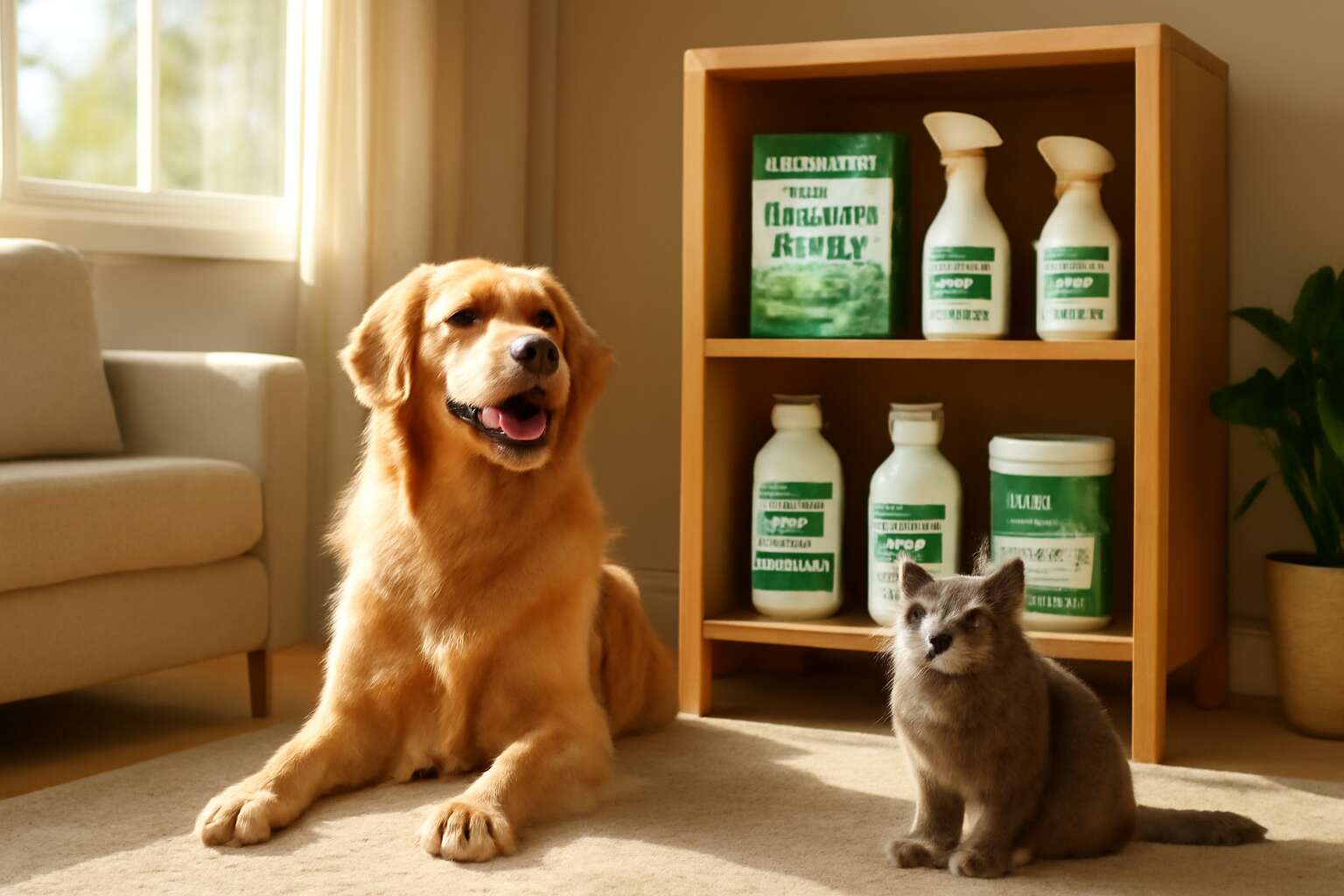
Understanding Pet Safe Pest Control
What makes pest control safe for pets
Here’s a punchy truth: your four-legged roommate deserves a pest plan that doesn’t gamble with their health. When you ask what pest control is safe for pets, you’re weighing not just outcomes but the chemistry you bring into the home. In South Africa, safer options mean fewer vet visits and happier tails.
Here are practical guardrails that keep tails wagging and pest problems under control:
- Products carrying pet-safe labels and low residual toxicity
- Spot treatments reduce exposure compared to broad applications
- Non-chemical approaches, such as sealing entry points, can balance control and safety
These principles blend effectiveness with pet-friendly prudence, safeguarding both your home and your season of pest-free serenity.
Pet health risk factors and pesticide exposure
Two out of five SA pet parents worry that household pesticides compromise a wagging tail. In this tapestry of care, what pest control is safe for pets becomes more than a label—it’s a promise to your furry companion.
- Age: puppies and kittens have developing systems
- Dermal exposure from treated surfaces and grooming
- Pre-existing liver or kidney conditions affecting detoxification
Understanding pet health risk factors and pesticide exposure reveals how sensitive systems react to different formulas. In homes across South Africa, factors like age, breed, and existing medical conditions shape a pet’s response to a treatment. Licking paws after a spray, inhaling drift, or skin contact can translate to irritation or more serious issues if exposure is prolonged.
These realities underscore why choices that minimize transfer and residue matter in the quest to keep paws and noses safe while keeping pests at bay.
Safe practice guidelines for homes with animals
Two out of five SA pet parents worry that household pesticides compromise a wagging tail. In this delicate balance between protection and paws, safety isn’t a slogan—it’s daily practice and planning.
Safe practice guidelines for homes with animals lean on transparent labeling, independent testing, and careful consideration of product chemistry. Look for pet-safe certifications, lower drift potential, and clearly described drying times. These factors help keep routines intact while pests stay at bay.
For homeowners asking what pest control is safe for pets, the answer rests in thoughtful selection, veterinary input, and responsible use of trusted products.
Vet-approved strategies for pest prevention
“Paws deserve protection as surely as homes deserve protection,” notes a South African veterinarian. Understanding what pest control is safe for pets requires vet-approved strategies and careful product choices. In this delicate balance, safety isn’t a slogan—it’s daily practice, guided by professional insight and a respect for each animal’s comfort. Across SA homes, the aim is simple: keep pests at bay without unsettling a tail-wagging routine.
Vet-approved strategies for pest prevention emphasize non-chemical safeguards and judicious use of trusted products.
- Non-toxic formulations endorsed by local regulators
- Integrated approaches that limit exposure through sanitation and barriers
- Ongoing veterinary input for tailor-made plans
Within the South African context, readers learn that what pest control is safe for pets rests on careful selection, expert guidance, and respect for how pets live in the home.
Safe Pest Control Methods for Pets
Non-toxic and low-toxicity options
Safe pest control for pets starts with choices that respect curious noses and wagging tails! In South Africa, many households are shifting toward non-toxic and low-toxicity options that guard homes without turning pet spaces into hazardous zones. Understanding what pest control is safe for pets helps keep families healthy, especially where children and animals share living areas. Practical measures rely on IPM, sanitation, and products labeled pet-safe.
- Barrier approaches that reduce pest interactions while protecting pets
- Non-toxic or low-toxicity product options aligned with labeling and veterinary guidance
- Emphasis on ventilation and secure storage to minimize exposure
Smart choices in homes with pets emphasize professional guidance, adherence to pet-safe labeling, and ongoing dialogue about pest prevention that suits the household. These steps keep life in SA pest-free without compromising safety.
Natural and organic approaches that work
“Pet-safe doesn’t mean pest-weak,” a SA pest pro quipped—what pest control is safe for pets is the compass guiding families toward humane, effective options.
Smart, natural methods start with sanitation and targeted tactics that disrupt pests without inviting drama into your home.
- Food-grade diatomaceous earth as a non-toxic option for gaps and entry points.
- Beneficial nematodes as soil-dwelling allies that target pests without affecting pets.
- Vinegar-based cleaners and plant-safe sprays used alongside sanitation and IPM strategies.
Vetted, pet-safe labeling and ongoing dialogue with your vet keep SA households pest-free with a wag in every tale.
Mechanical and physical pest control methods
Across South Africa, households report pests infiltrating within hours—yet a fortress of mechanical care can keep critters at bay without risking furry companions. Understanding what pest control is safe for pets helps families choose durable, humane options.
Here are tangible mechanical methods that protect both home and hound.
- Barriers and exclusion: door sweeps, weather-stripping, and intact screens
- Crack sealing with pet-safe materials around pipes and baseboards
- Pet-safe traps used under supervision in locations pets cannot access
Combined with routine cleaning and veterinary-approved strategies, it’s a humane approach.
Integrated Pest Management for pet households
Across South Africa, pests slip indoors in hours, leaving homes and furry friends on edge. what pest control is safe for pets? Integrated Pest Management offers a calm, humane playbook—observe carefully, deter with pet-safe options, and keep chemical use to a minimum while protecting the household.
- Monitoring and pest identification without alarming pets
- Exclusion, sanitation and habitat modification to reduce attractants
- Pet-safe products used under professional guidance only
That balanced approach—low-toxicity, high efficacy—lets households breathe easy and pets nap undisturbed, with no more midnight spray battles. When implemented, IPM relies on careful monitoring, exclusion, sanitation, and professional guidance to keep pests at bay without compromising creature comforts.
Seasonal pest prevention tactics for pet owners
Across South Africa, pests surge indoors as temperatures climb; roughly 40% of households report upticks in invaders during warmer months. Understanding what pest control is safe for pets helps households weigh risk and relief.
- Seasonal checks of outdoor spaces to remove attractants before pests arrive.
- Smart landscape tweaks that discourage entry without disturbing furry friends.
- Pet-friendly maintenance windows and professional guidance tailored to local conditions.
Seasonal prevention tactics hinge on observation and restraint, keeping pets safe while the home stays quietly pest-free!
Choosing Pet-Friendly Products and Treatments
Reading pesticide labels for pet safety
In South Africa, a home is a sanctuary where whiskers twitch and tails flick with quiet caution. This is what pest control is safe for pets—a cornerstone that blends efficacy with gentleness, a balance earned through label literacy and humane care.
Choosing pet-friendly products and treatments means reading beyond bold claims. Seek formulations labeled pet-safe or low-toxicity, and prefer options with minimal odor and brief residuals. When in doubt, trust manufacturers that disclose active ingredients and safety data aligned with local regulations.
Reading pesticide labels for pet safety is a quiet act of protection. Focus on active ingredients, warnings about pets and birds, and re-entry guidance, plus first-aid directions and storage notes. The content on the label becomes a map your home can follow for years to come.
Choosing EPA-approved products and safety ratings
Pet-safe choices matter. Knowing what pest control is safe for pets shapes every purchase. In South Africa, look for EPA-registered products with transparent safety ratings and scent profiles that won’t overwhelm noses or irritate lungs!
Choose products labeled for household use, with minimal odor and short residuals. The safest options disclose active ingredients and provide clear re-entry intervals. Consider these checks:
- EPA registration number and registered uses
- Explicit pet and bird warnings on the label
- First-aid and storage guidance aligned with local regulations
Rely on brands that share safety data openly and that fit a practical, pet-first approach. When in doubt, consult a veterinarian and a licensed pest professional who prioritizes safety and reduces exposure risk while tackling pests.
Avoiding common household hazards for pets
Pests slip in quietly, but safety doesn’t have to. In households across South Africa, the right choices can keep pets healthy without sacrificing pest control effectiveness. When evaluating safe options for pets, opt for products with minimal odor, transparent ingredient lists, and short residual times that fit busy homes.
Key checks include:
- Explicit pet and bird warnings on labels
- Clear disclosure of active ingredients
- First-aid and storage guidance aligned with local regulations
Rely on brands that share safety data openly and fit a practical, pet-first approach. When in doubt, consult a veterinarian and a licensed pest professional who prioritize safety and reduce exposure risk while tackling pests. Understanding what pest control is safe for pets helps you balance protection and peace of mind.
Working with licensed pest control companies for pet safety
In South Africa’s busy homes, pest control should protect both property and pets. The aim is a practical balance: low odor, transparent ingredients, and short residuals so busy households stay pest-free without compromising animal safety.
Choose pet-friendly options with clear labels and openly disclosed active ingredients. Favor brands that provide safety data and guidance, and prefer products designed for minimal exposure around birds, dogs, and cats in accessible South African homes.
- Licensing and safety data transparency
- Clear active ingredient information
- Low odor and short re-entry time
Partnering with licensed pest control companies makes pet safety tangible, with professionals aligned to local regulations and SA realities. Understanding what pest control is safe for pets becomes clearer when safety plans and considerate scheduling are in place.
Storage and disposal practices for pet households
Pests can lurk in every corner of a lively South African home, but not at the expense of furry friends. The question what pest control is safe for pets matters—and it hinges on gentle ingredients, low odor, and transparent labeling.
Choose pet-friendly options and check for open safety data:
- Clear active ingredient information
- Low odor with short residuals
- Guidance for safe use around dogs, cats and birds
Storage and disposal practices for pet households should emphasize securing containers, minimizing exposure, and following label directions or local SA regulations. Responsible disposal protects homes and habitats alike.
Pests and Pet Safety: Species-Specific Considerations
Fleas and ticks: safe control options
Fleas and ticks don’t respect borders, and South Africa’s sun-warmed air keeps them marching through the year. This is where what pest control is safe for pets becomes a living, breathing question. Flea lifecycles unfurl in humid quiet corners; ticks lurk in grass edges and hitch rides on velvet coats into sunlit rooms. Species-specific considerations matter, shaping the delicate shield we raise around noses, ears, and paws while keeping homes serene and predictable.
- Vet-approved topical or oral products tailored to your pet’s age, weight, and health, prescribed with care
- Non-chemical barriers and regular grooming that soften exposure without unsettling your companion
- Mechanical and environmental controls, including thorough cleaning, bedding washes, and yard upkeep to curb harborages
Ultimately, what pest control is safe for pets hinges on balance and vigilance—the quiet art of keeping both creature and home in harmony.
Rodents and indoor pests: pet-safe controls
Pests slip in while the kettle boils and the dog snoozes by the doorway. Safety for our four-pawed companions isn’t negotiable; understanding what pest control is safe for pets is essential in South Africa’s year-round, sun-warmed climate.
Rodents and other indoor pests demand species-specific considerations. In SA, vermin thrive along warm edges of homes, so choices must respect different pets’ sensitivities. Vet-approved guidance helps tailor protection that guards noses, whiskers, and lungs without disturbing daily life.
- Environmental design and sanitation
- Veterinary-guided product choices
- Licensed professional assessments
Balancing control with care requires ongoing vigilance and collaboration with trusted partners who understand the local pest pressures and animal welfare standards.
Insects in the garden and outdoor areas with pets
In South Africa’s sun-soaked yards, insects outnumber planners and pets alike—yet safety hinges on one truth: what pest control is safe for pets matters as much as the pests themselves.
In garden spaces, insects require specialized care. Bees keep the garden alive; wasps require caution; mosquitoes bite in heat—and all can affect a curious hound or cat. Observe spaces and give pets room to roam safely.
Garden precincts can be mindful through simple observations. A quick question—what pest control is safe for pets—frames garden choices from plant selection to timing.
- Bees and pollinators
- Wasps and hornets
- Ants and garden pests
Non-toxic options and landscape choices help reduce risk for noses and lungs, keeping outdoor time enjoyable.
When in doubt, partner with licensed professionals to interpret pest pressures and keep outdoor spaces hospitable for both pets and pollinators. I’ve seen the right partnership preserve playtime and peace of mind for all.
Hazards of chemical traps and baits around pets
In South Africa, a wagging tail is priceless, and a single misused bait can trigger a trip to the vet. The right pest strategy keeps curious noses safe and wildlife thriving. So what pest control is safe for pets? The answer rests on species-specific hazards rather than a one-size-fits-all label.
Chemical traps and baits can pose quick, quiet dangers—ingestion, secondary poisoning, and lingering residues on fur and paws. Never leave attractants in open reach; opt for tamper-resistant stations and pet-safe formulations where possible.
- Rodent baits in tamper-resistant stations out of paw’s reach
- Insect traps that seal and are placed away from play areas
- Non-toxic repellents and physical barriers when feasible
Consult licensed pest professionals to interpret local pest pressures and tailor a plan that keeps outdoor spaces hospitable for pets and useful for pest control alike.
Outdoor pest management while keeping pets safe
Outdoor pest safety in South Africa’s sun is a living, breathing puzzle—one nibble in a bait can turn a carefree afternoon into a vet visit. what pest control is safe for pets isn’t a single label, but a species-aware philosophy that honours curious noses and the wild world beyond the gate.
Different animals carry different risks: dogs and cats explore with bold noses, while wildlife and beneficial insects follow their own quiet laws. A plan rooted in species-specific hazards keeps gardens welcoming to pets and pest-free where it matters most.
- Respect species-specific risk profiles
- Balance pet safety with ecological health
- Prefer non-chemical approaches when feasible
Consult licensed pest professionals to translate local pest pressures into a pet-friendly outdoor canvas.
Practical Strategies for a Pet-Safe Home
Routine pet-friendly sanitation and prevention
Practical strategies for a pet-safe routine start at the door and extend into every room. Understanding what pest control is safe for pets means choosing products with lower toxicity, following label directions, and never winging it with a guess. It’s about reducing risk while keeping your home vibrant—no drama, just results, even when the cat gives you the side-eye from the laundry basket.
Think in terms of three guiding pillars: cleanliness, secure storage, and regular monitoring. That simple triad anchors a home where pets roam with confidence and pests plan a mutiny nowhere near the bowls.
Outdoor areas deserve care too, especially in South Africa’s warm springs. Clear pet food, seal access points, and schedule inspections with a licensed professional who respects your pets as members of the family. Small habits compound into a resilient, pest-resistant home that stays welcoming to every furry, feathered, or finned resident.
Pet-safe cleaning products and residual safety
Bright South African mornings deserve a home free of chemical guesswork. Understanding what pest control is safe for pets begins with restraint and respect: low-toxicity products, clear residue guidance, and a preference for formulations that stay gentle on whiskers and paws.
Here are pet-safe cleaning product categories that minimize residues.
- Plant-based, fragrance-free cleaners that reduce odors and stickiness
- Enzymatic cleaners that break down organic matter without harsh fumes
- Non-toxic disinfectants with clear residue guidance and pet-safe drying times
Residual safety hinges on thoughtful formulations and the way pets interact with treated spaces; labels and expert guidance help balance cleanliness with calm, ensuring the home remains a sanctuary for every creature in SA’s climate.
Safe storage and disposal of pesticides
“Safe storage is the secret ingredient in any pet-safe pest plan,” a South African vet insists. This is what pest control is safe for pets looks like in practice: products stay sealed, out of reach, and clearly labeled. When whiskers are on the line, restraint beats rash spray every time, and thoughtful disposal turns a potential hazard into a negligible risk.
- Store in a locked cabinet or high shelf, away from food, water bowls, and curious paws.
- Keep containers in their original packaging with intact labels; avoid decanting into risky containers.
- Schedule disposal through SA municipal hazardous waste programs or follow label directions for safe post-use handling.
Combine these habits with routine pet-safe sanitation and you’ll have a home that laughs at pests, not at paws.
Emergency steps if exposure occurs
“Calm planning saves paws more than rash spray,” insists a South African vet. Pests can crash a quiet home in a heartbeat, and what pest control is safe for pets becomes crucial in those moments. Preparing means you can respond without panic, keeping furred friends safe while you assess the scene.
Emergency-minded households lean on simple, non-technical reminders when exposure occurs:
- Move the pet to fresh air and away from the source.
- Rinse exposed coat or skin with clean, lukewarm water if safe to do so, and avoid harsh scrubs.
- Keep packaging and label handy to share with your vet or the poison information centre.
- Contact a veterinarian or local poison information service promptly for guidance.
Understanding what pest control is safe for pets guides your choices in every room, from the kitchen to the garden, turning a moment of risk into calm, confident care.
Developing a pet-safe pest management plan
A South African vet often says, “Calm planning saves paws more than rash spray.” In fact, households with a pet-safe pest plan report about 40% fewer exposure incidents.
Understanding what pest control is safe for pets guides every room choice, from the kitchen to the garden, shaping product selection and placement with quiet precision.
- Pet-safety ratings and transparent ingredient lists
- Non-toxic or low-toxicity options where possible
- Professional guidance to align with your home’s rhythm
A mindful approach keeps the furred family and furniture in harmonious balance, turning fear into confident care and turning the home into a sanctuary rather than a battleground.
0 Comments