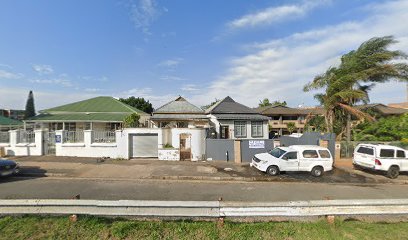
ELITE PEST CONTROL CC is a Pest control service establishment in Durban, KwaZulu-Natal, South Africa
Durban
KwaZulu-Natal
South Africa
Sorry, no records were found. Please adjust your search criteria and try again.
Sorry, unable to load the Maps API.
Durban Pest Control Services: What to Expect
Pest control services in Durban, KwaZulu-Natal, address a warm, coastal climate that can encourage a variety of pests to thrive in homes and businesses. The typical offering covers common household intruders such as cockroaches, ants, rodents, mosquitoes, bed bugs and flies, as well as more specialised concerns such as termites and stored product pests. Service providers aim to protect property, preserve hygiene and support pest-free living and working environments across residential, commercial and industrial settings.
Initial visits usually begin with a thorough inspection. Trained technicians assess the property roots of infestation, entry points, moisture conditions, sanitation practices and potential attractants. The process includes identifying the pest species, confirming the extent of the problem and prioritising action based on risk to occupants, structure and function of the premises. Following the assessment, a tailored treatment plan is proposed. Plans typically combine short-term control measures with long-term prevention strategies to reduce recurrence.
Typical treatment approaches are diverse and depend on the pest and setting. For indoors, methods may include targeted residual sprays to kill existing pests, crack-and-crevice treatments, baiting stations for ants and rodents, and dust applications in wall voids or behind appliances. For pests such as bed bugs, termite management or mosquito control, specialised techniques may be employed. In some instances, heat or fumigation treatments are considered for severe infestations or for whole-structure issues, subject to risk assessments and regulatory requirements.
Outdoor pest control often focuses on perimeter protection and habitat modification. This can involve treating garden borders, removing standing water sources, managing vegetation to reduce harbourages, and installing physical barriers or monitoring devices. For termites, proactive monitoring and preventive barriers are common components, sometimes combined with timed treatments intended to protect timber within structures.
Customers can expect clear communication about safety. Technicians typically explain any potential health risks associated with products, outline precautionary measures for household members, and provide guidance on when to re-enter treated areas. Many services emphasise integrated approaches, combining chemical treatments with non-chemical strategies—such as sanitation improvements, waste management, sealant repairs and moisture control—to deter future problems.
Practical considerations in Durban include climate-driven dynamics, such as year-round activity for certain pests and heightened mosquito presence in warmer periods. Humidity, rainfall patterns and proximity to coastal environments influence pest behaviour and success rates of control measures. Property owners are often advised to maintain regular pest management programmes, especially in high-risk settings like kitchens, food storage areas, healthcare facilities or warehouses. Access for technicians, safety of occupants during visits, and the need for ongoing monitoring are common discussion points in service plans.
Different service providers may offer maintenance packages, quarterly or biannual visits, and on-demand callouts. Pricing structures vary but generally reflect the scope of work, frequency of visits, products used and the level of monitoring involved. Many Durban clients benefit from a moveable plan that combines immediate eradication with preventive follow-ups and actionable recommendations for sanitation and upkeep. In all cases, durability and efficacy hinge on a collaborative effort between the service professional and the property owner or manager, with attention to timely interventions and proper environmental hygiene.
- Common pests addressed: cockroaches, ants, rodents, mosquitoes, bed bugs, flies, termites and stored product pests.
- Typical steps: inspection, assessment, tailored treatment plan, execution, follow-up and prevention guidance.
- Environment and safety: emphasis on risk communication, occupant safety, and hygiene improvements.